Comic Book Clique

batman

SPOILERS: Who Got the Goods? Check Out the World-Ending Weapons Claimed in DCKO!

George SerranoComment

The DC K.O. Tournament has just detonated! Sixteen of the multiverse's greatest heroes and most dangerous villains have survived the initial carnage, but the real spectacle began in the chaotic "Scramble Round" of DC K.O. #2. In that brutal free-for-all, these competitors didn't just win their bouts; they fought to claim legendary weapons, relics, and technologies from across the DC Multiverse. The tournament rules have forced them into dark territory, compelling them to fuse their unique fighting styles and moral codes with artifacts of unfathomable cosmic power. This isn't just a battle of strength, it's a test of whether these beings can control the raw power now coursing through their veins. Get ready to break down the most volatile and terrifying combinations in the bracket!


The Perfect Storm: Why These Items Are Deadly In These Hands

Red Hood & The Scarab

Jason Todd has bonded with a piece of alien technology so powerful, it threatens to turn the entire tournament into a military coup: the Scarab! This sentient, symbiotic battlesuit, known as Khaji Da, first appeared in its modern form in Infinite Crisis #3 (2006), courtesy of Geoff Johns, Phil Jimenez, and George Pérez. Historically, Red Hood has often used technology and firearms to level the playing field against meta-humans, often designing his own power-dampening suits or using Kryptonite-laced weapons. While previous Scarab wearers focused on defense, Red Hood's aggression turns this artifact into an unstoppable weapon platform. The Scarab can generate virtually any weapon he can imagine, but in Jason's hands, his lethal combat training and willingness to kill means the adaptable armor is now an instrument of total, military annihilation. He's no longer just a vigilante; he's an armored god of war.


Zatanna & The God Killer Sword
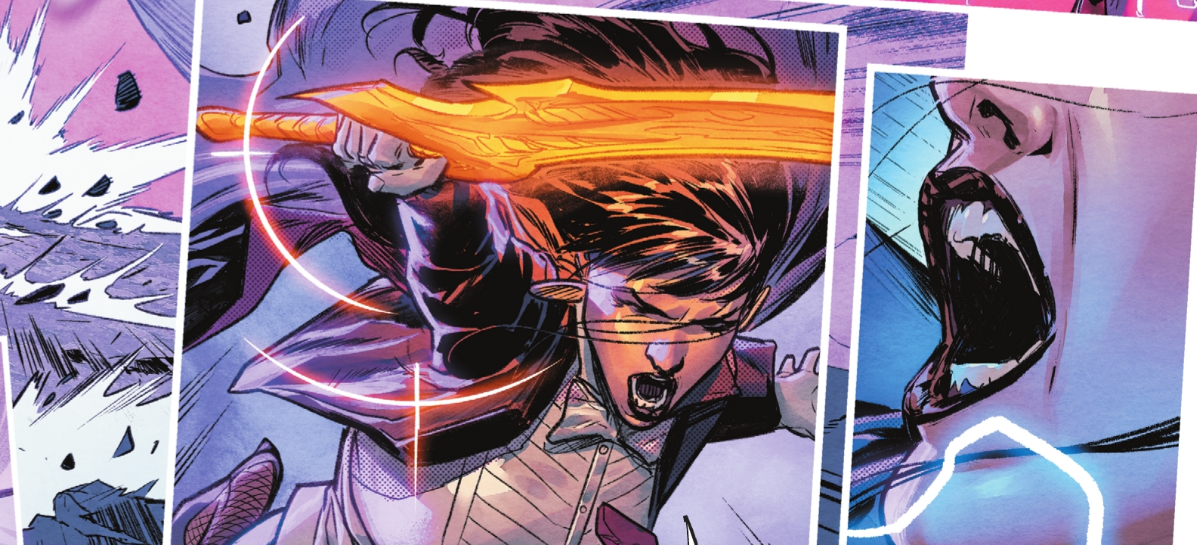
Magic meets mythic steel! Zatanna's greatest upgrade is the God Killer Sword, which first appeared in Wonder Woman #3 (2016) by Greg Rucka and Liam Sharp. This ancient Amazonian blade is capable of slicing through anything, even gods and powerful magical entities. Zatanna is DC's primary magical strategist, used to wielding powerful, often uncontrollable forces. However, her greatest weakness is often being silenced, cutting off her primary source of power. By acquiring a weapon capable of slaying deities that doesn't require a single spoken word, she has gained a physical, undeniable threat that complements her magical might.


Guy Gardner & The Worlogog
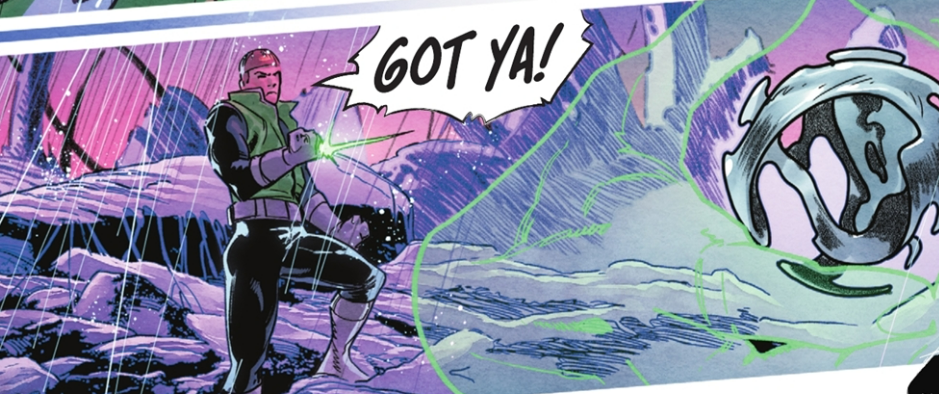
Guy Gardner is now the wielder of the Worlogog, an artifact that first appeared in Justice League #17 (1994) by Gerard Jones and Chuck Wojtkiewicz. This miniature model of the space-time continuum grants its holder near-omnipotence, allowing for manipulation of space, time, and reality on a cosmic scale. Guy has always been an explosive, unpredictable Green Lantern, often clashing with cosmic authority (even joining the Red Lantern Corps). Guy’s notoriously arrogant and aggressive temper, when coupled with an artifact capable of rewriting existence, means the entire flow of the tournament, and reality itself, is now subject to his legendary bad mood and lack of patience.


Joker & Atom's Belt
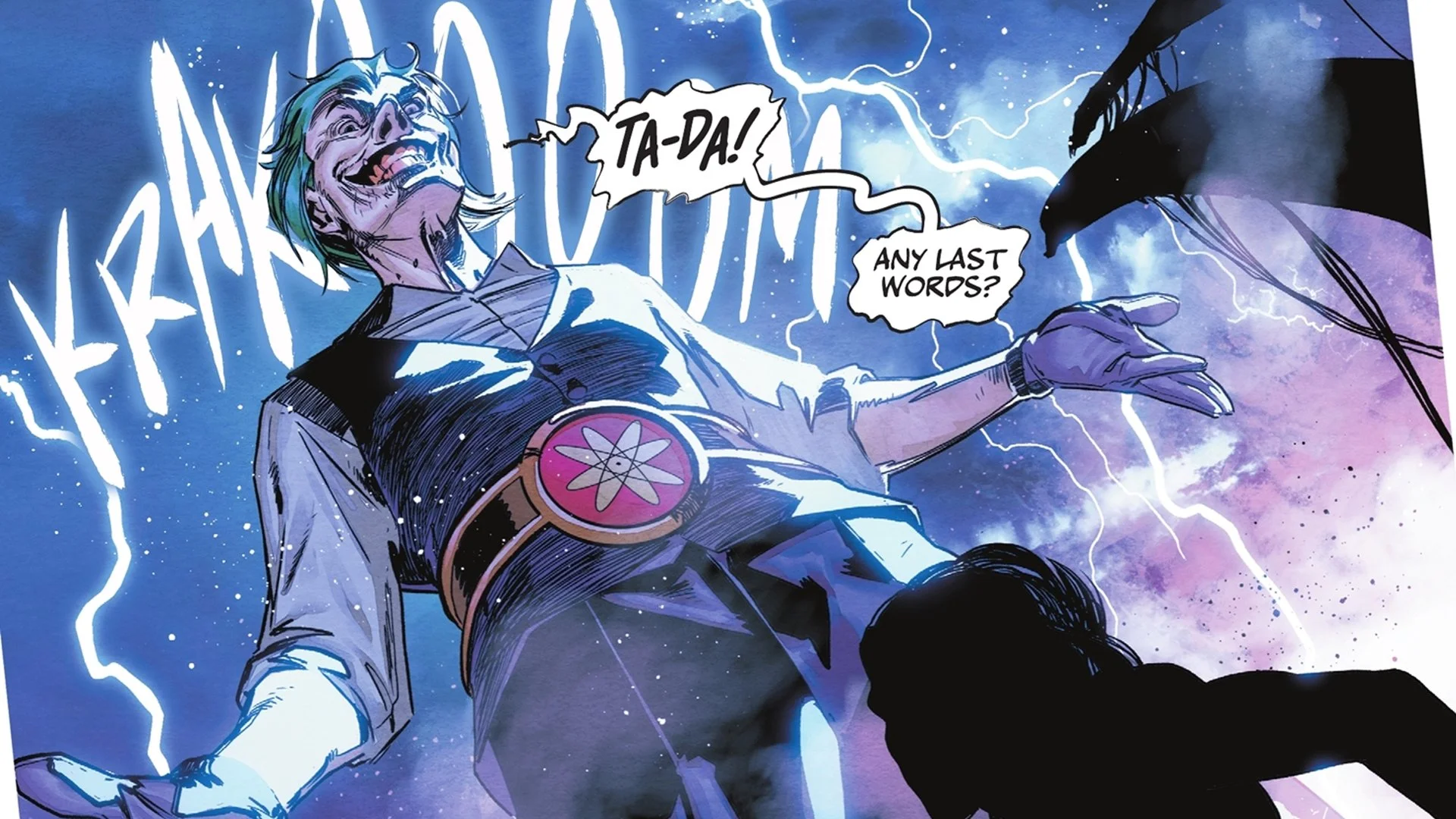
No one turns a scientific instrument into a punchline quite like the Joker. He claimed Atom's Belt, technology first seen with Ray Palmer in Showcase #34 (1961) by Gardner Fox and Gil Kane. Designed to allow wearers to shrink to subatomic levels, this tool of precision has become an instrument of grotesque, intimate murder in the Joker's hands. The Joker is historically defined by his use of personalized, chemical-based weapons (like Joker Venom) to cause specific, dramatic chaos. Now, as DC K.O. #2 grimly showed, the Clown Prince can inflict personalized pain from the inside out: the belt’s advanced science has been hijacked by boundless sadism.


Cyborg & Mother Box
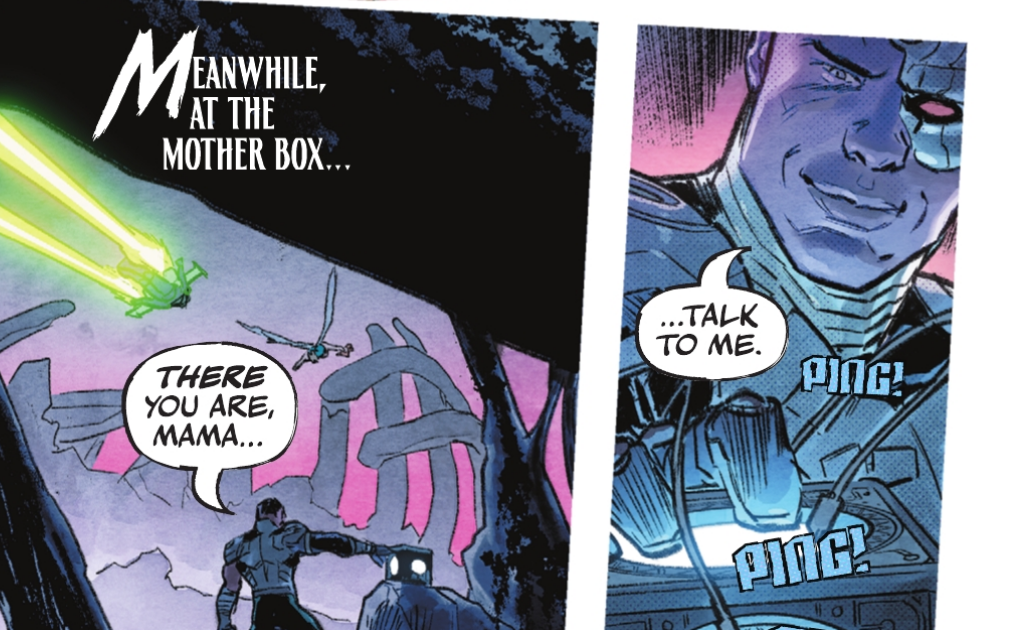
Victor Stone has integrated with a Mother Box, a sentient, New Gods' computer that first appeared in The Forever People #1 (1971), created by the legendary Jack Kirby. Capable of Boom Tube teleportation, advanced healing, and controlling all technology, this cosmic-level operating system gives Cyborg an unprecedented upgrade. Cyborg's history is defined by his struggle to integrate New Gods' technology into his very being; now, he has gained the master key. His already powerful cybernetics are now backed by a device that allows him to instantly teleport, rewrite the laws of technology, and turn any battlefield into his inescapable, personal fortress.


Captain Atom & Psycho Pirate's Mask
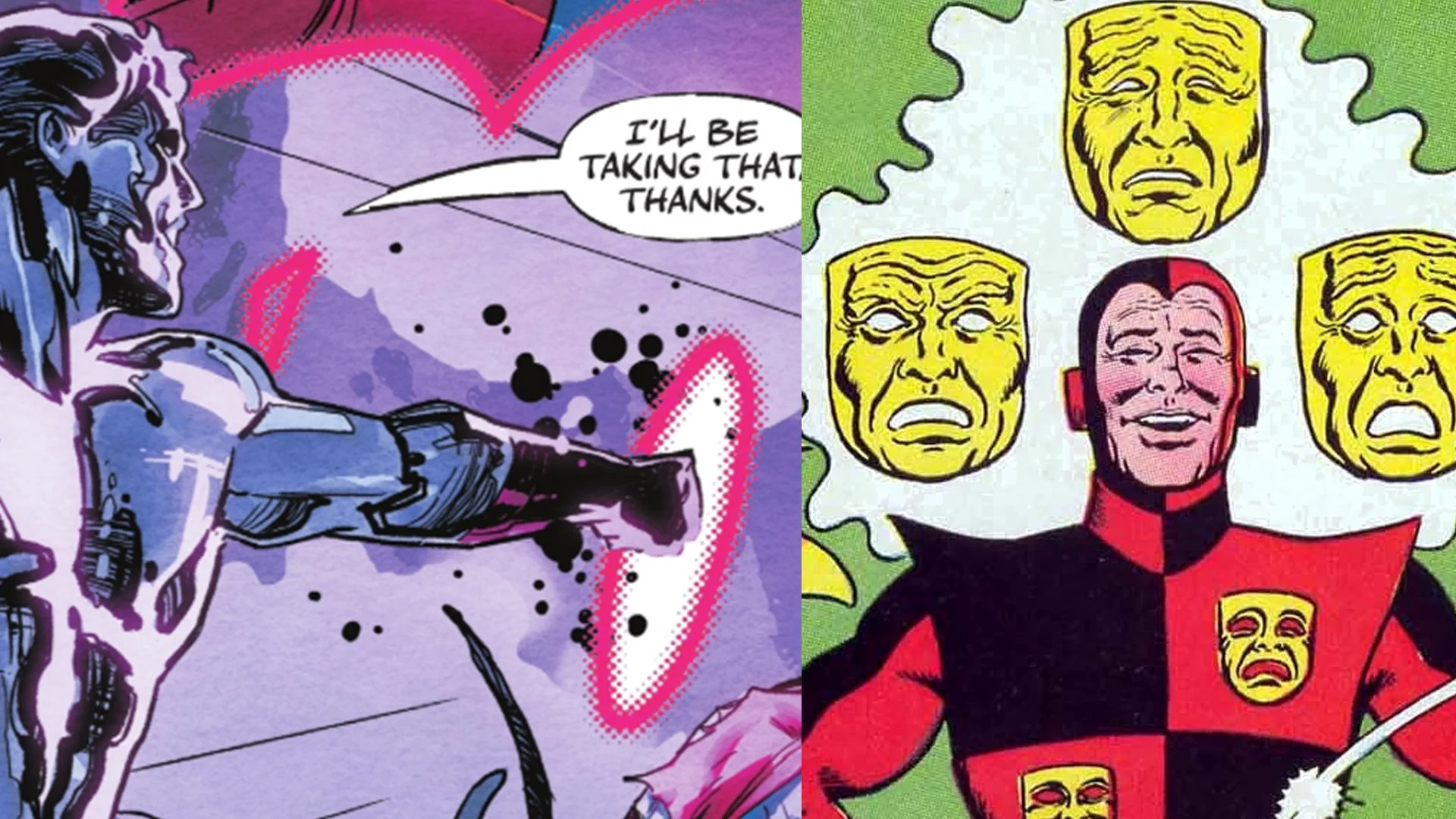
Captain Atom now possesses the Psycho Pirate’s Mask (The Medusa Mask), worn by Roger Hayden when he debuted in Showcase #56 (1965) by Gardner Fox and Mike Sekowsky. The Mask allows the wearer to manipulate the emotions of others on a massive scale. Captain Atom's history is one of volatile power struggles, often fearing his own power and the catastrophic damage it can inflict. Giving him a tool to control the emotions of his foes means he can induce paralyzing fear or mind-breaking despair in opponents before unleashing his nuclear might, turning an already unstable force into an emotional master manipulator.


Wonder Woman & Thor's Hammer (Mjolnir)
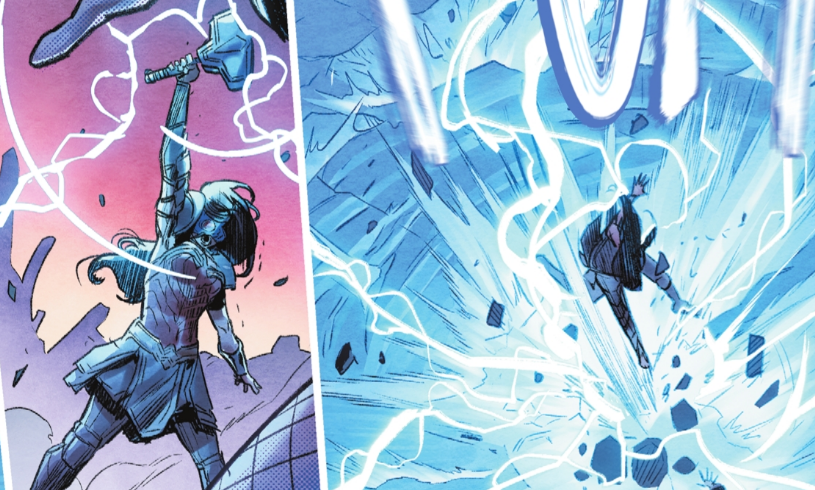
A truly worthy union! Diana has proven herself capable of wielding Thor's Hammer. This legendary Asgardian artifact grants the user the power of the Thunder God, including control over storms and flight. The hammer's mythological counterpart first appeared in a DC comic in Flash Comics #57 (1944). Wonder Woman is steeped in Greek mythology and often wields weapons of divine origin (like the Lasso of Truth or the Sword of Athena), which share similar origins to this hammer. Her Amazonian skill is now fused with the raw, cosmic fury of a thunder god, and her pure heart confirms she is always worthy of this mythological power, making this union of Greek and Norse myth an overwhelming, divine-level engine of destruction.


Lobo & Bane’s Venom
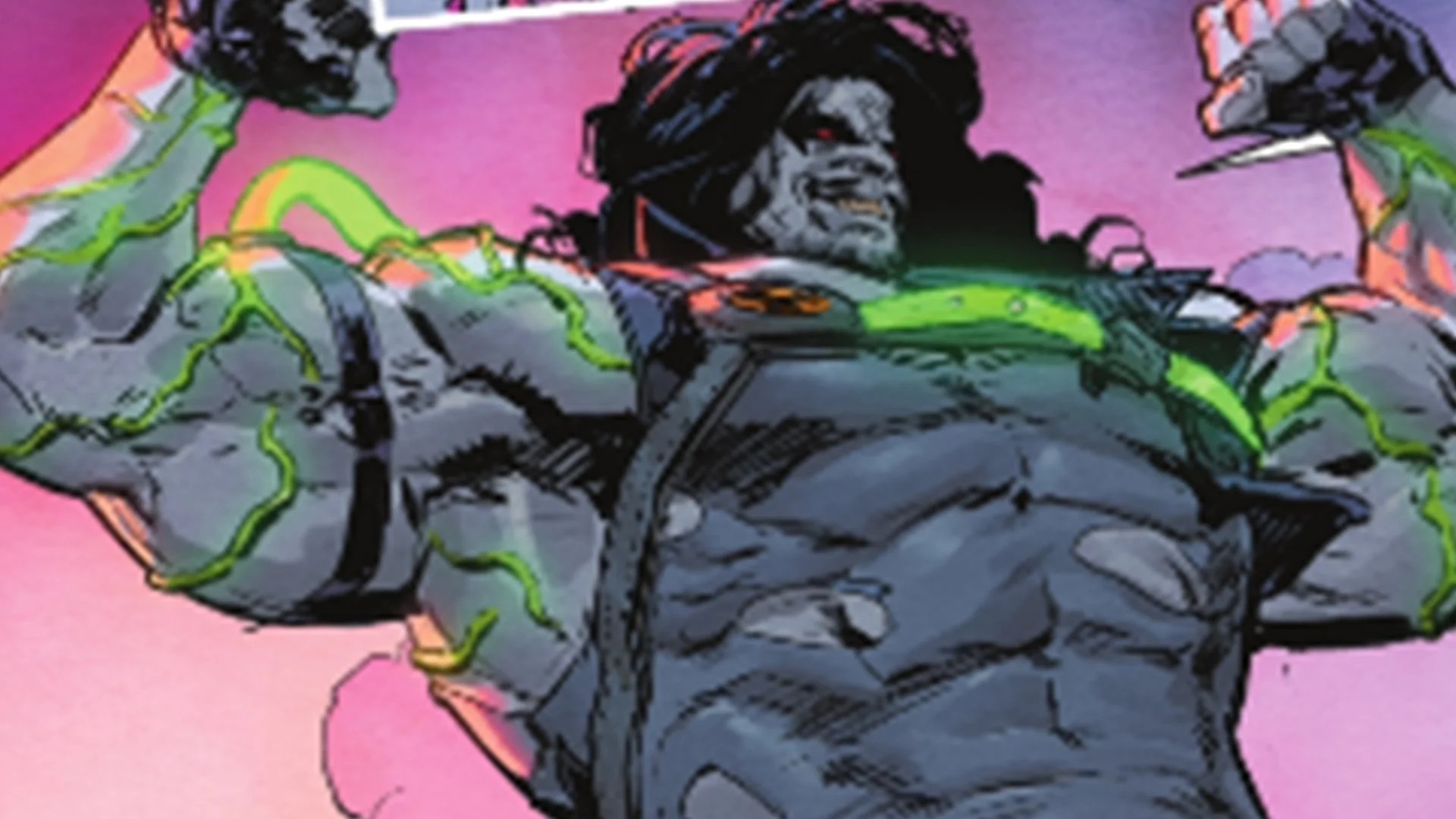
As if he wasn't tough enough! The Main Man’s power level just got dialed past infinity with Bane's Venom, a potent steroid that debuted in Batman: Vengeance of Bane #1 (1993) by Chuck Dixon, Doug Moench, and Graham Nolan. This drug grants massive, superhuman strength and stamina. Lobo has always relied on his inherent Czarnian physiology and ridiculous regenerative factor to overwhelm foes with sheer brute force. Venom doesn't just make him stronger; it takes his already insane power level and cranks it past twelve, compounding his signature berserker rage into an uncontrollable, hyper-charged engine of galactic violence.


Harley Quinn & Speed Force Ring
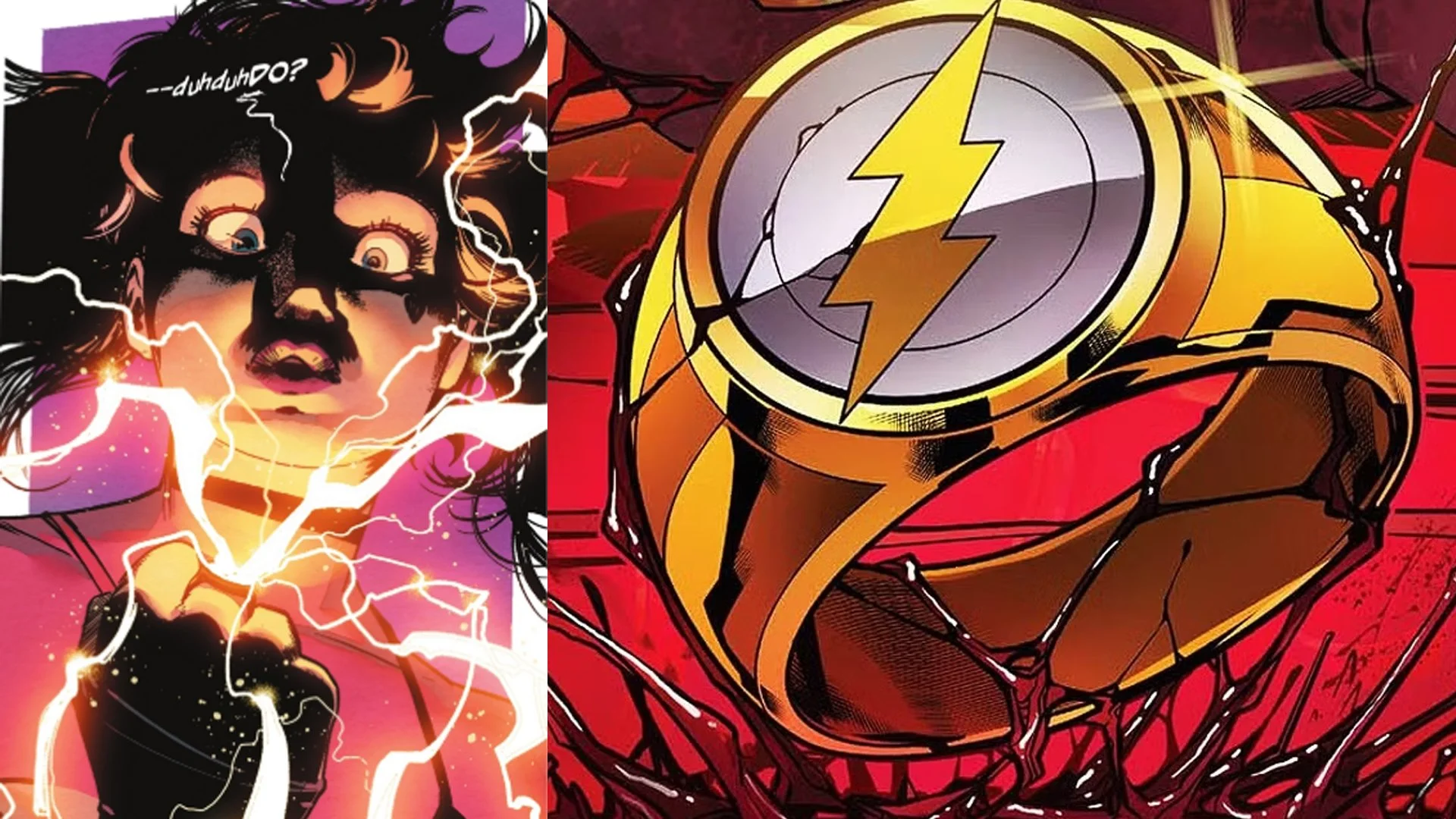
Harley is now tapping into the Speed Force, the energy source first detailed in Flash Vol 2 #91 (1994) by Mark Waid. This power grants the user super-speed and the ability to vibrate through matter. Harley's entire fighting style is based on gymnastic agility, unpredictability, and chaotic timing. Giving her chaotic, unhinged energy the power of near-instantaneous movement means her random, violent chaos can now be executed at the speed of light. She is an erratic, hypersonic hurricane of destruction that no one can track, let alone predict.


Lex Luthor & Power Rings
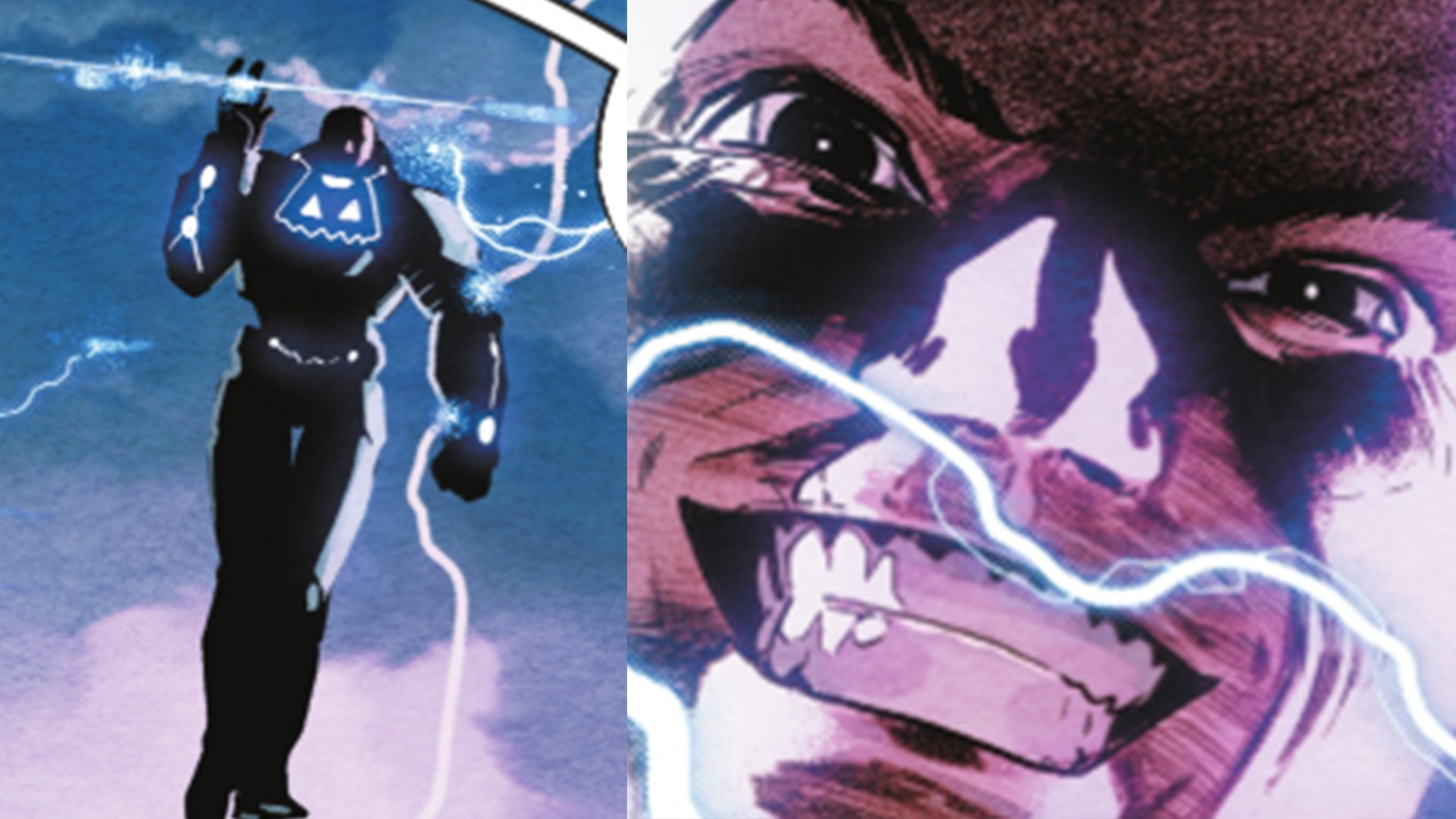
The universe's most brilliant mind just armed himself with the power of the cosmos! Lex Luthor has acquired multiple Power Rings, artifacts whose modern Corps concept began in Showcase #22 (1959) by John Broome and Gil Kane. These rings, fueled by different emotional spectrums, allow the wielder to create solid energy constructs and fly. Luthor has a long history of stealing or replicating Lantern technology, most notably the Orange Lantern Ring (Avarice) or his own Kryptonite-powered Green Lantern Ring. The real danger is that his sheer, cold intellect and will are now directing multiple cosmic emotional powers with a level of tactical genius that makes him an unparalleled, unified threat.


Etrigan & Genie Pen (Thunderbolt)
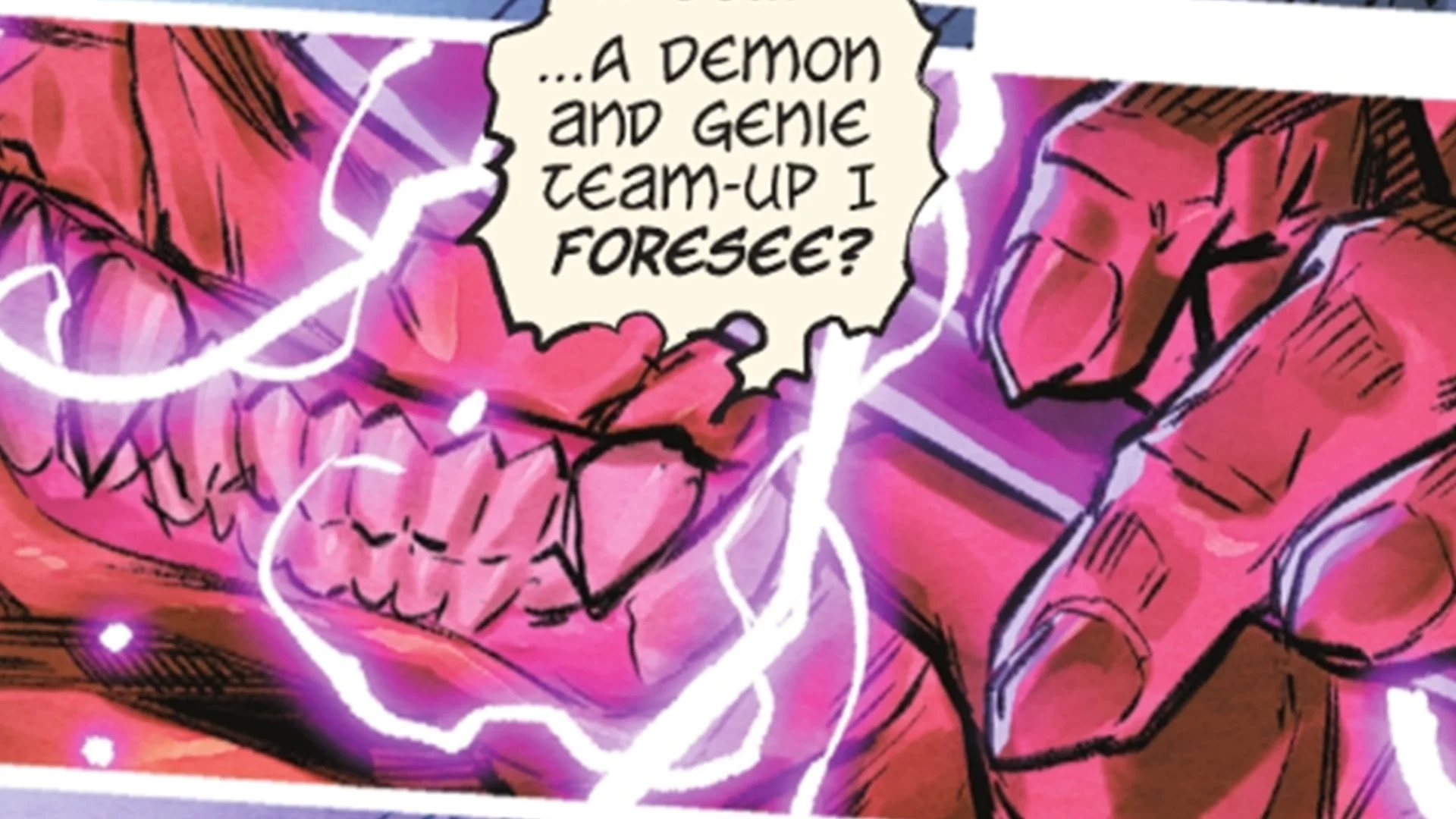
Etrigan the Demon now holds the Genie Pen, which contains the Fifth-Dimensional Imp Thunderbolt (Yz), dating back to Flash Comics #1 (1940) by John B. Wentworth and Stan Aschmeier. The pen grants wishes, resulting in chaotic, cosmic power. Etrigan's power is already rooted in chaotic, rhyming magic, making him a being of pure magical unpredictability. Combining his native hell-power with the chaotic, reality-bending wish-fulfillment means he can summon catastrophic, yet highly specific, magical effects with a single, rhymed decree: wishes for utterly demonic destruction.


Hawkman & Claw of Horus
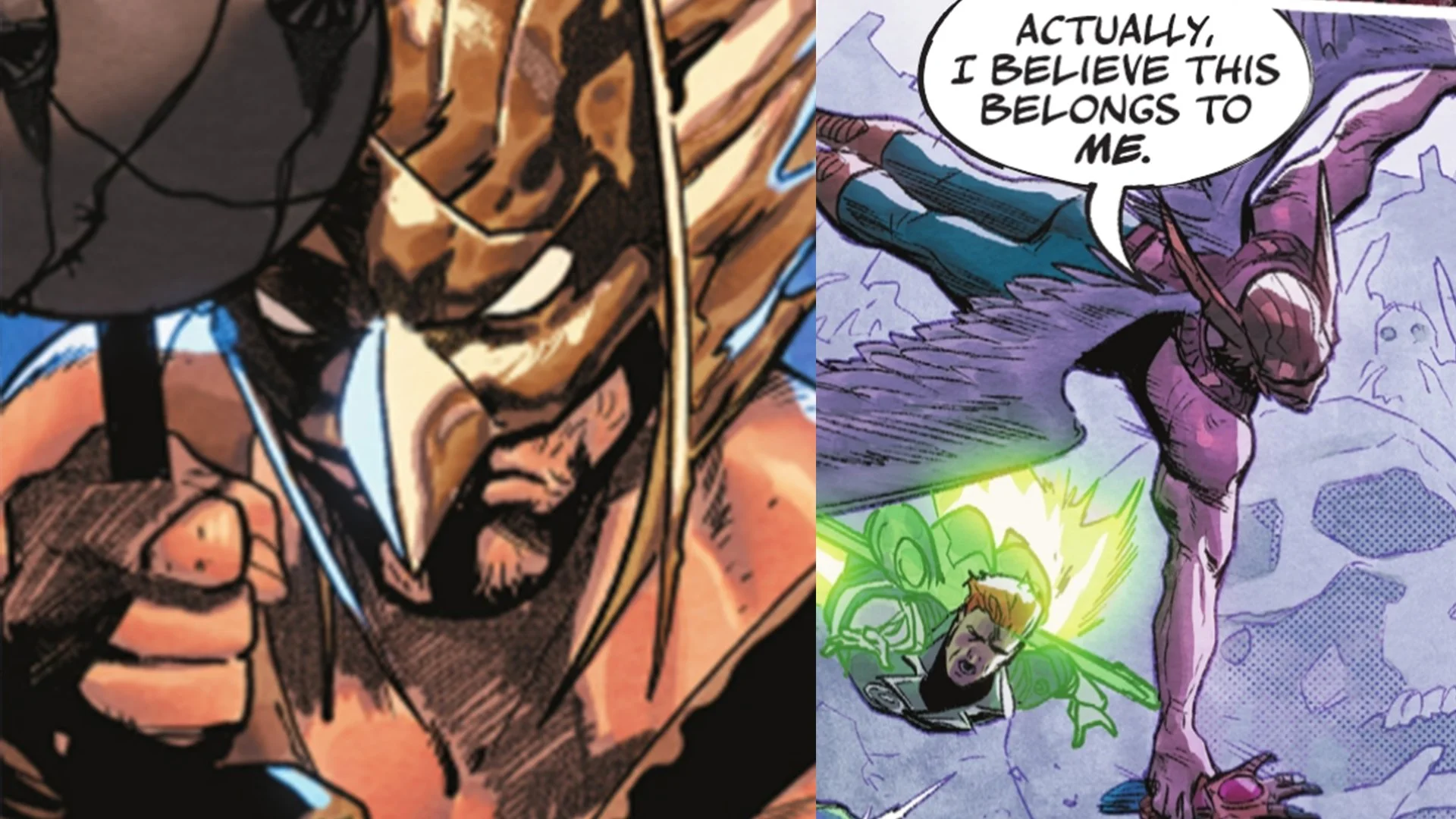
Hawkman carries the Claw of Horus, a specialized Nth Metal gauntlet that debuted in JSA #20 (2001) by David S. Goyer, Geoff Johns, and Stephen Sadowski. The Claw channels the Earth's gravitational field and uses it as a kinetic weapon. Hawkman's history is steeped in ancient Egyptian myth and he has wielded countless Nth Metal weapons and artifacts over his many reincarnations. The Claw gives this relentless, barbaric warrior the power to essentially "hit you with the planet," augmenting his melee assault with planet-scale gravity manipulation, crushing opponents with the weight of the Earth itself.


Swamp Thing & Soul Taker Sword
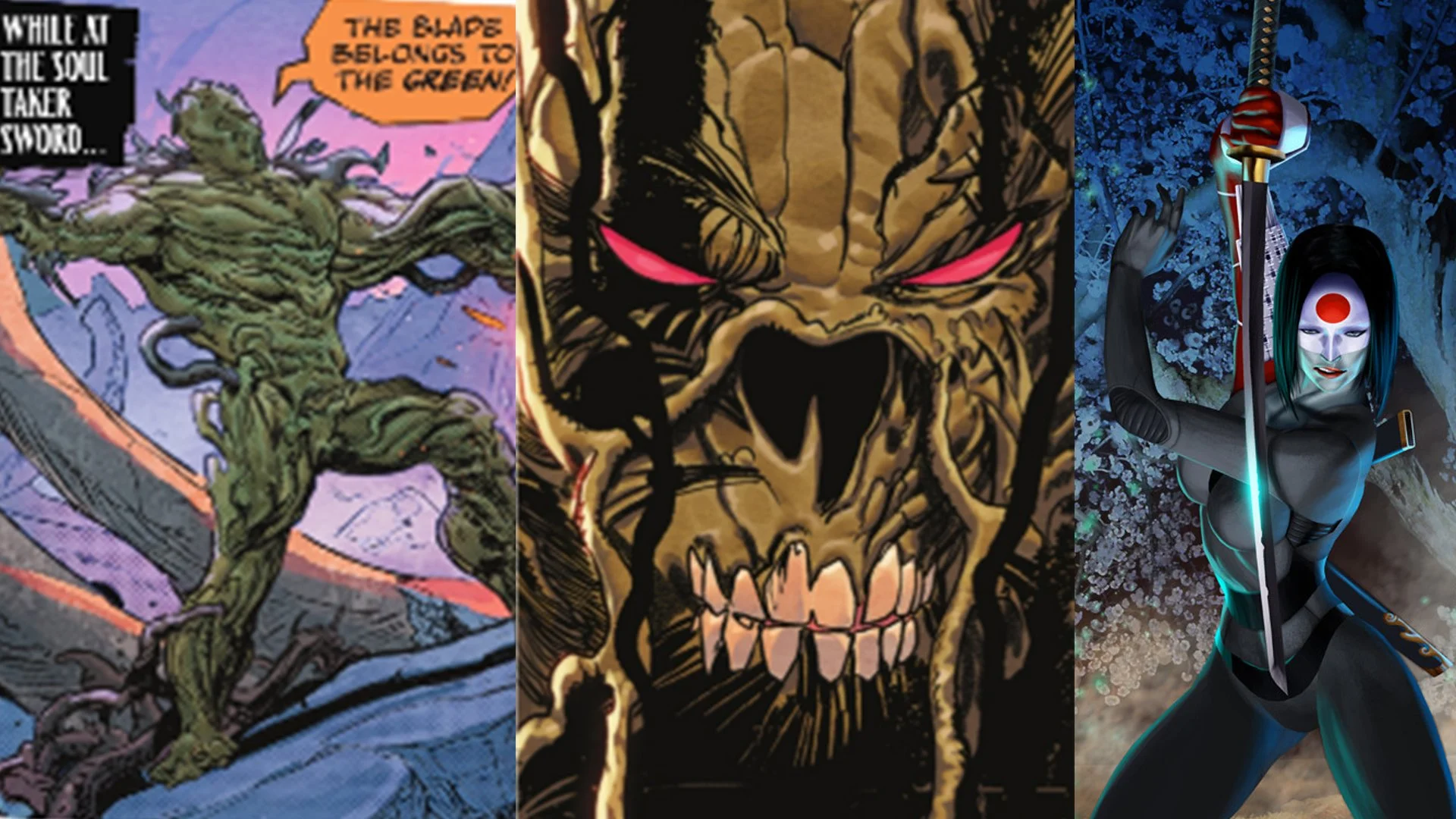
The Avatar of the Green is now armed with the Soul Taker Sword, most famously used by Katana and debuting in The Brave and the Bold #200 (1983) by Mike W. Barr and Jim Aparo. The sword captures the souls of those it kills within its blade. Swamp Thing is the champion of The Green, fundamentally defined by non-violence and the protection of natural life, rarely using conventional weapons. Giving him a weapon that traps the spiritual essence of his victims is a horrifying corruption of his nature, turning him into the reluctant warden of his defeated foes.


Jay Garrick & Lasso of Truth
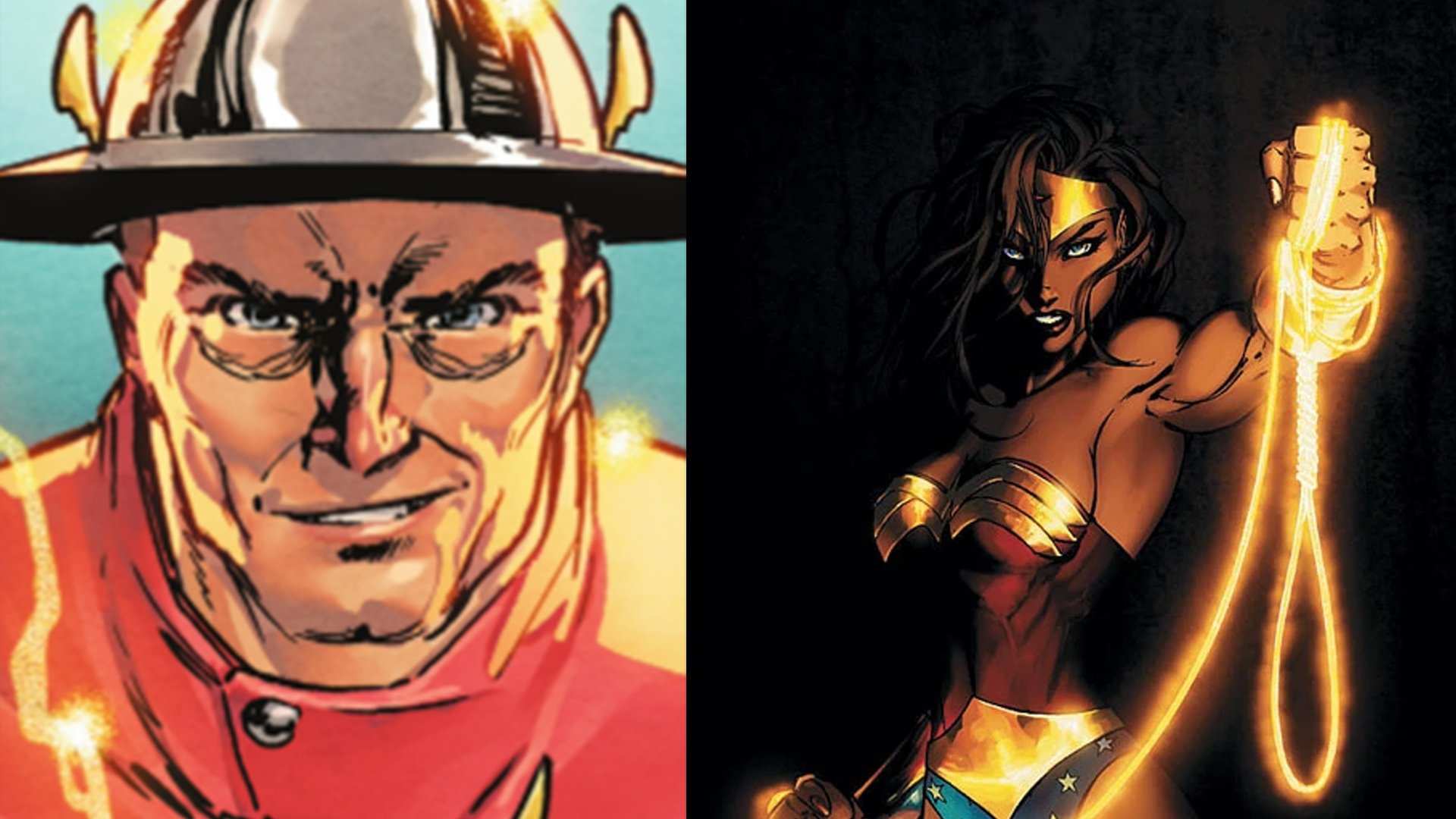
The original Flash, Jay Garrick, is wielding the Lasso of Truth, which first appeared in All-Star Comics #8 (1941) by William Moulton Marston and Harry G. Peter. The Lasso compels anyone wrapped in it to tell the absolute truth. Jay Garrick is known for his wisdom, moral center, and experience, often serving as a mentor for younger heroes. Fusing his wisdom and speed with this tool that cuts through all deception means he can instantly bind any opponent, forcing them to reveal their strategy, their weaknesses, or their hidden fears before they can react. He is a lightning-fast, inescapable inquisitor.


Aquaman & Cosmic Rod
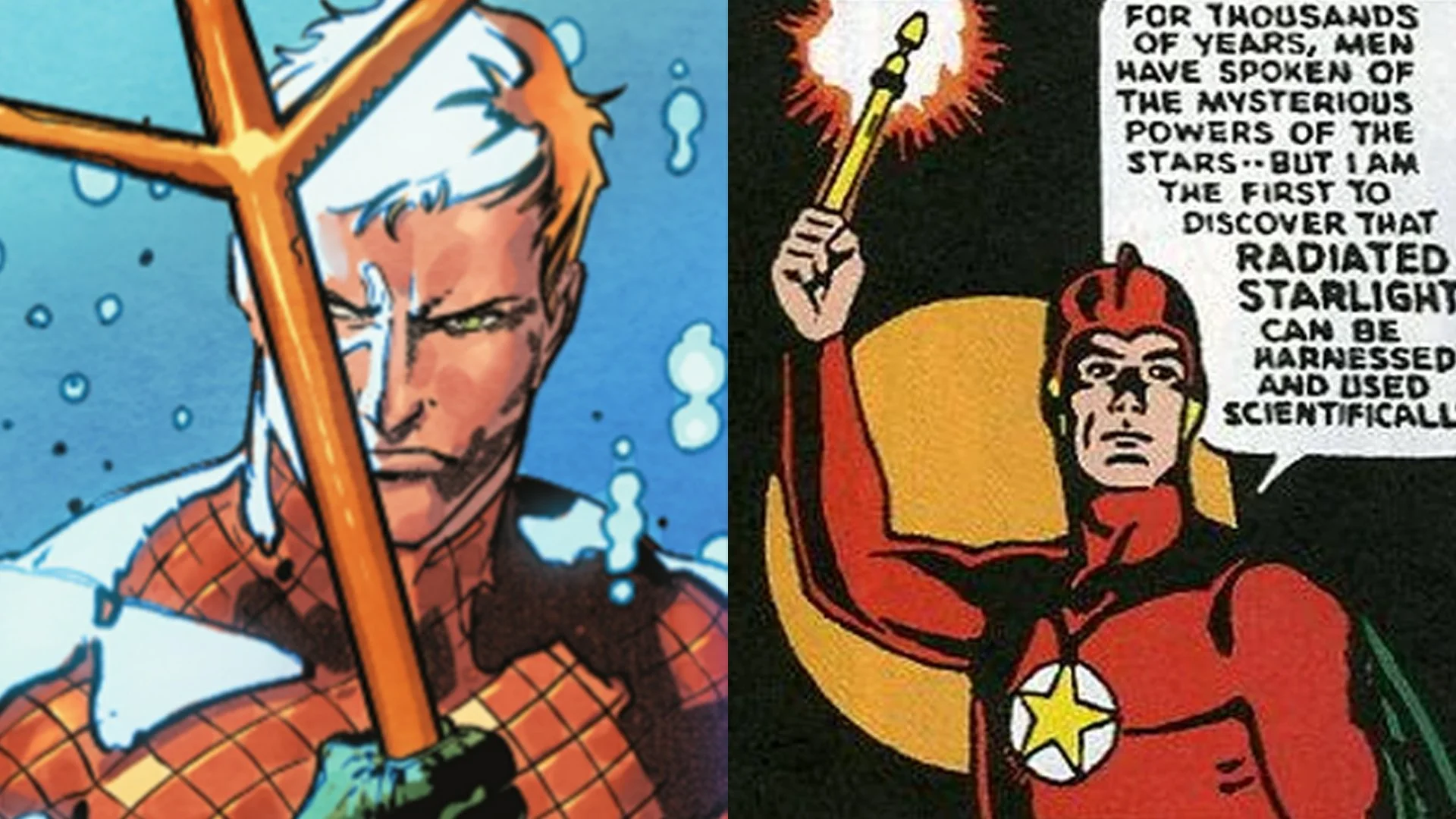
Aquaman, King of Atlantis, has claimed the Cosmic Rod, the stellar-powered device of the Golden Age Starman, which debuted in Adventure Comics #61 (1941) by Gardner Fox and Jack Burnley. The Rod absorbs and projects stellar energy and allows for the manipulation of gravity. Aquaman has always struggled with his reputation and reliance on the ocean, often seeking tools to augment his power on land. This artifact instantly negates his disadvantage on land, turning him into a cosmic-powered, gravity-defying artillery platform. He would best use the Cosmic Rod to instantly create crushing gravity wells, pinning his foe while simultaneously calling on his telepathic command of the ocean to attack. An opponent may draw him to a desert for an advantage, only to be instantly crushed by localized gravity and elemental manipulation.


Superman & Omega Sanction
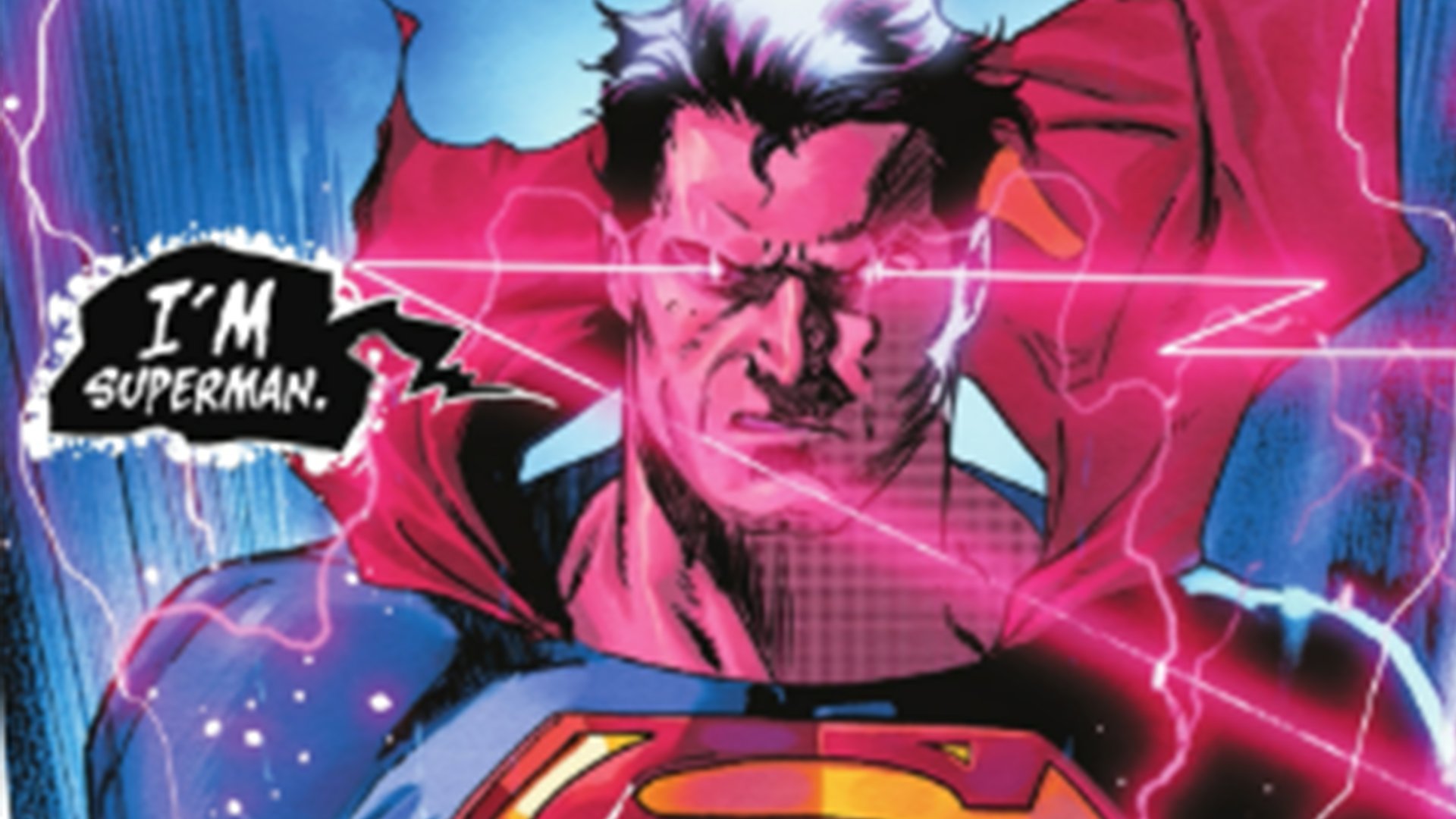
The most terrifying combination in the entire bracket: Superman has acquired the ultimate weapon of Darkseid: the Omega Sanction, an attack first detailed in Mister Miracle Vol 3 #6 (1998) by Walter Simonson. This power traps its victim in an endless cycle of alternate lives and horrific realities. Superman's character is built entirely on his adherence to a strict, non-lethal moral code. As the DC K.O. #2 reviews confirm, he acquired this power through a brutal, self-sacrificial act, showing he is willing to cross his own moral lines. This weapon gives the world's most powerful being the ultimate divine power, forcing him to engage in an act of finality and psychological annihilation. This is no longer the Superman we know; this is the Omega weaponized.


🏆 Conclusion: The King Omega Will Rise!

The final 16 are set, and the sheer power contained in this bracket is unprecedented. The tournament has done more than just pit the DC Universe’s heavy hitters against each other; it has armed them with the very instruments of cosmic chaos. Every hero and villain has been fundamentally changed by their new weapon, and the consequences of their choices in the Scramble Round will echo through the next stage. Who will survive? Who will break? And who has what it takes to stop Darkseid by becoming the new King Omega? Don't miss a single page of this epic event!
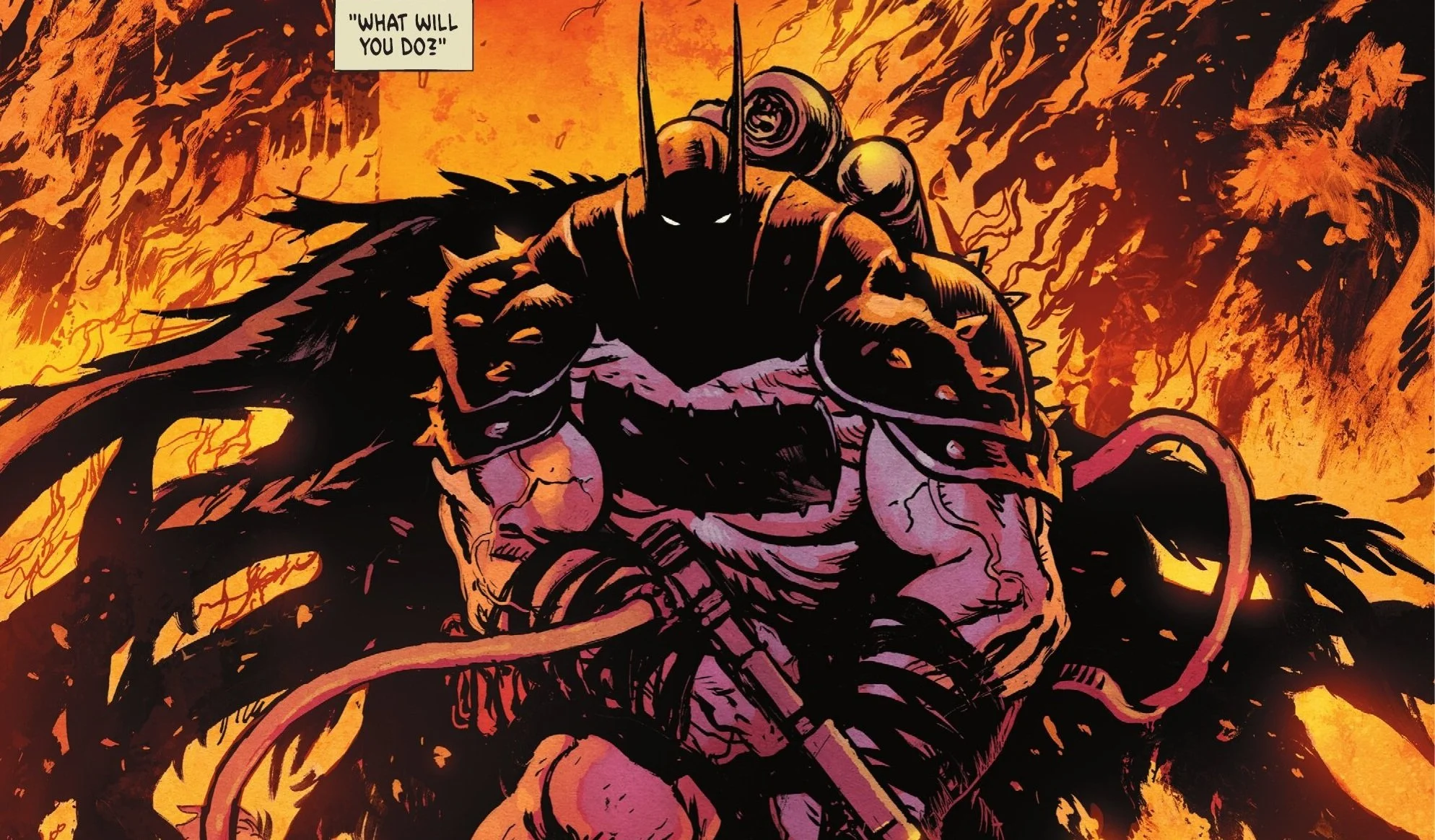
ABSOLUTE CONSEQUENCES: The Batman Annual Turns War on Crime into War on Fascism

George SerranoComment

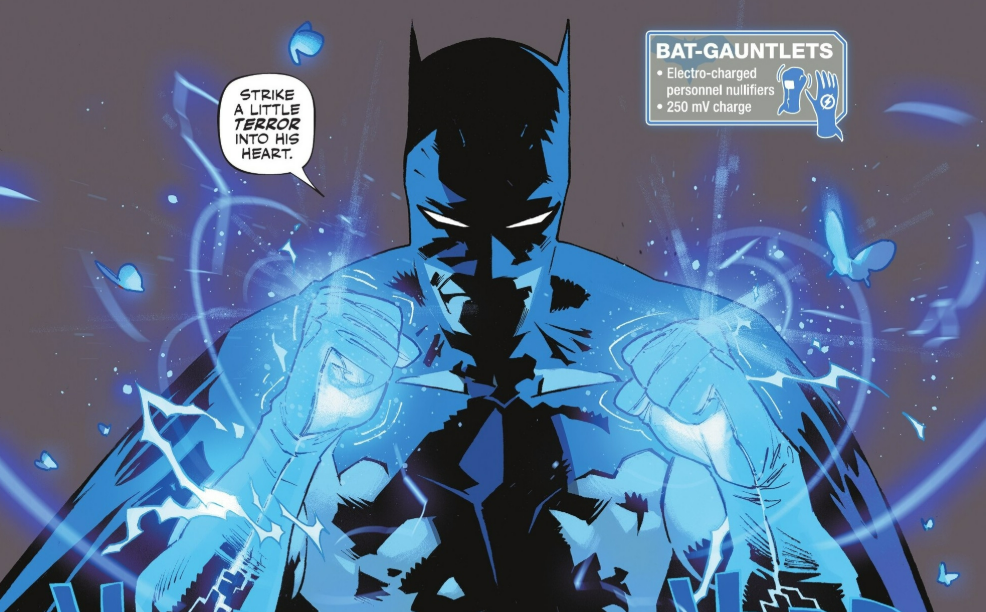
Comic books have always been our modern fables, teaching us lessons and morality through the heroes we cheer for. In a world where any marginalized group can be scapegoated by political movements, writer and artist Daniel Warren Johnson (DWJ) uses the Absolute Batman Annual to tackle true evil head-on.

This extra-sized issue is a visceral, must-read exploration of righteous violence that forces the ultimate question: What are the consequences of war, and how much of his own soul must Batman sacrifice to save others? This annual is a powerful, uncompromising look at the extreme cost of justice.


THE CRITICAL JUNCTURE: Bruce Abandons Protocol

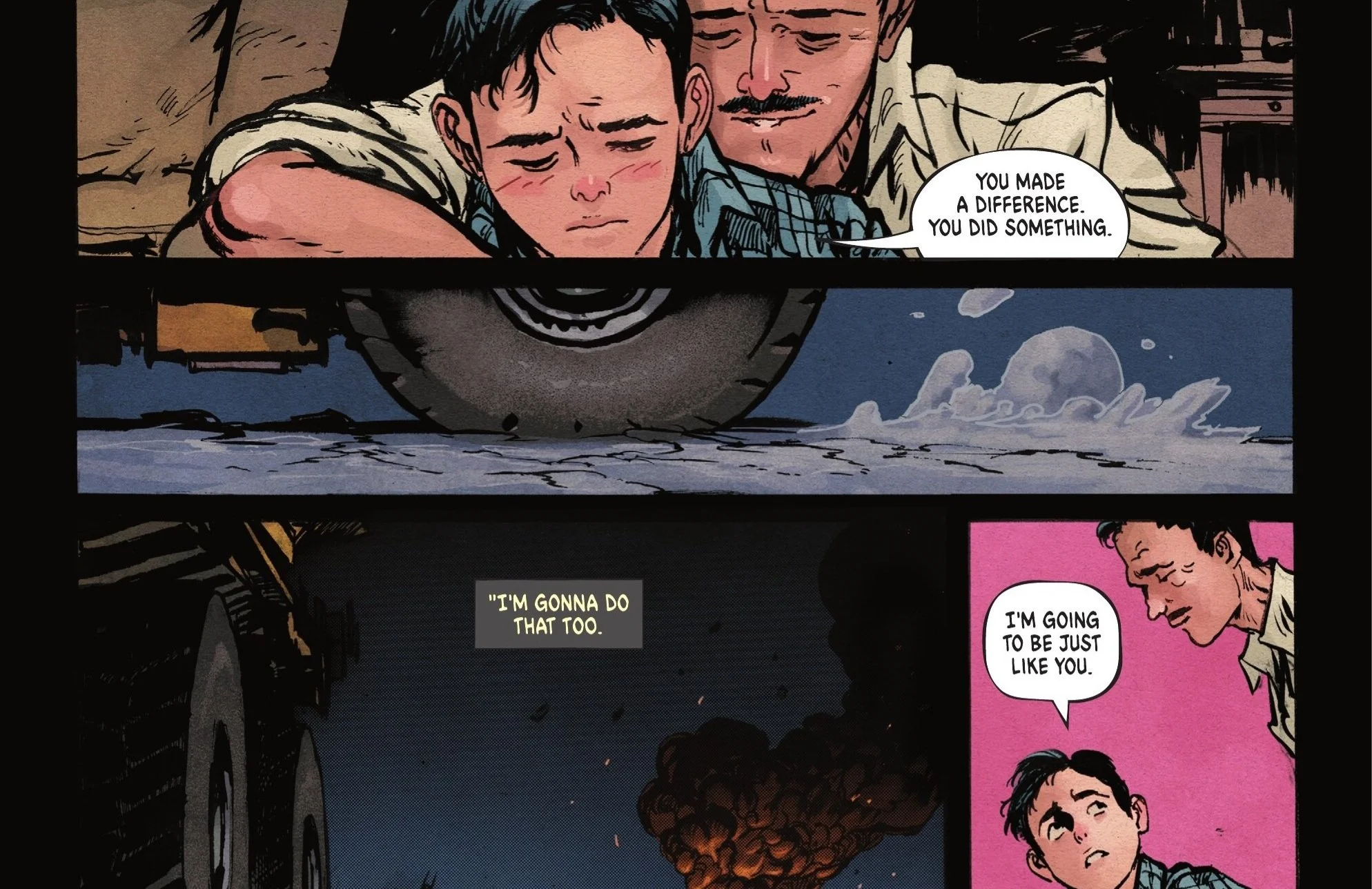
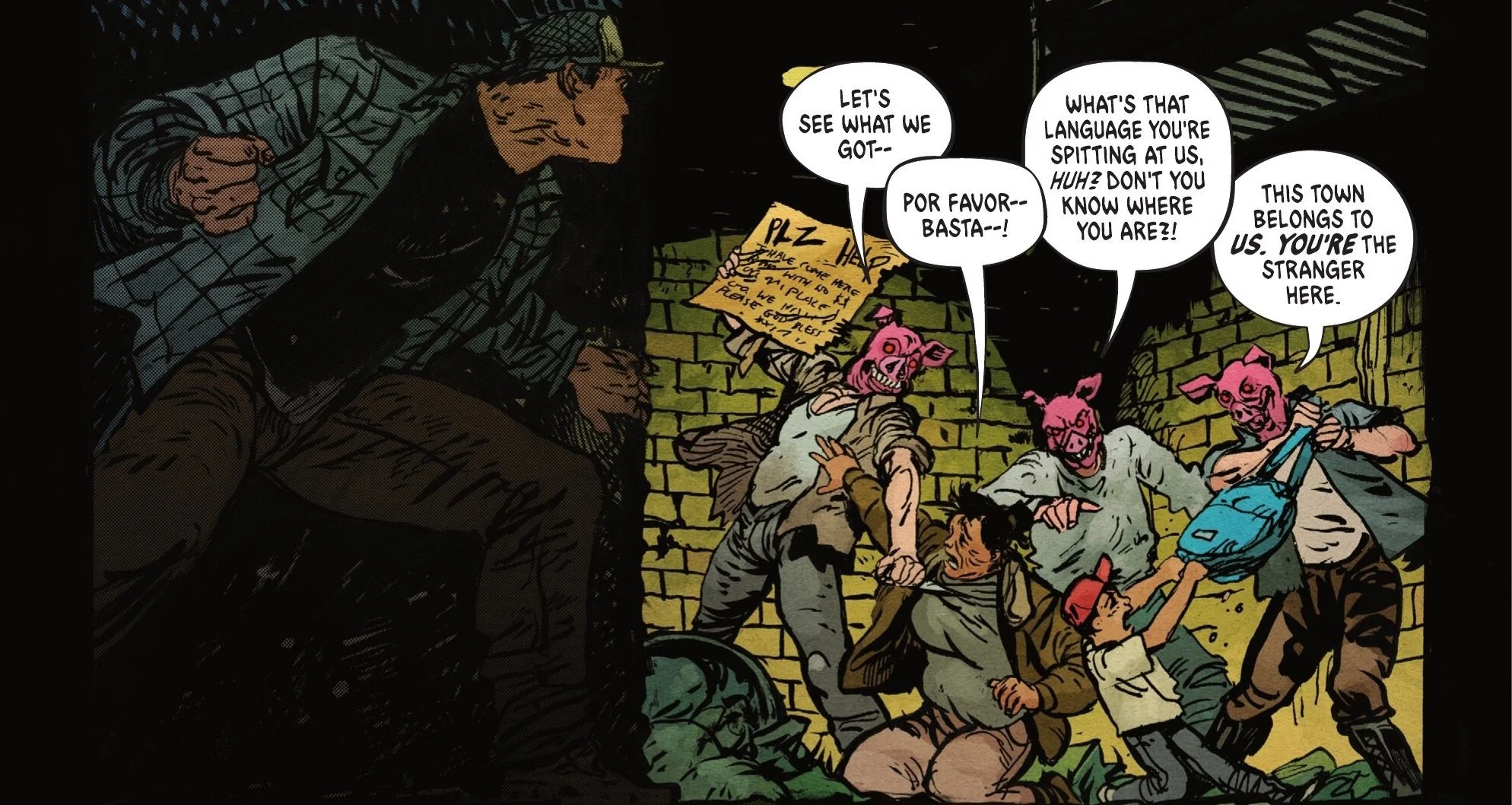
DWJ’s primary story is an early adventure from the life of this working-class Bruce Wayne. The plot finds a young Bruce undercover, but his mission immediately goes sideways when he stumbles upon white nationalist gangs preparing to attack a nearby refugee camp. These thugs are openly backed by corrupt local police. When Bruce sees a Latina woman under attack, he makes a split-second decision.

He ditches his careful plan and steps in to protect her, earning himself a brutal beating. After he gets back on his feet, Batman roars in for the final confrontation. Crucially, it’s during this chaotic incident that Bruce finds the earth mover he’ll eventually adapt into his Batmobile. This simple plot—saving a refugee camp and finding his iconic vehicle in the process—is the perfect setup for the issue’s huge moral statement.


THE SOUL'S PRICE: Violence and Paternal Legacy

Daniel Warren Johnson's story is a masterclass in thematic clarity. It completely rejects nuance in favor of righteous fury, functioning as a necessary fable for our volatile times.

​The comic’s political commentary is a hammer blow. By pitting Batman against white nationalist gangs and a police force that actively enables their violence, DWJ draws a chilling, direct parallel to current events. This comic argues that the true "Absolute Evil" is any movement that seeks to dehumanize others.

​Batman's choice of unsubtle justice is the story's core thesis. His brutal beatdowns feel less like a failure of morality and more like a visceral necessity. However, this is where the title, Absolute Consequences, truly resonates. The fighting may be over, but the moral conflict isn't.

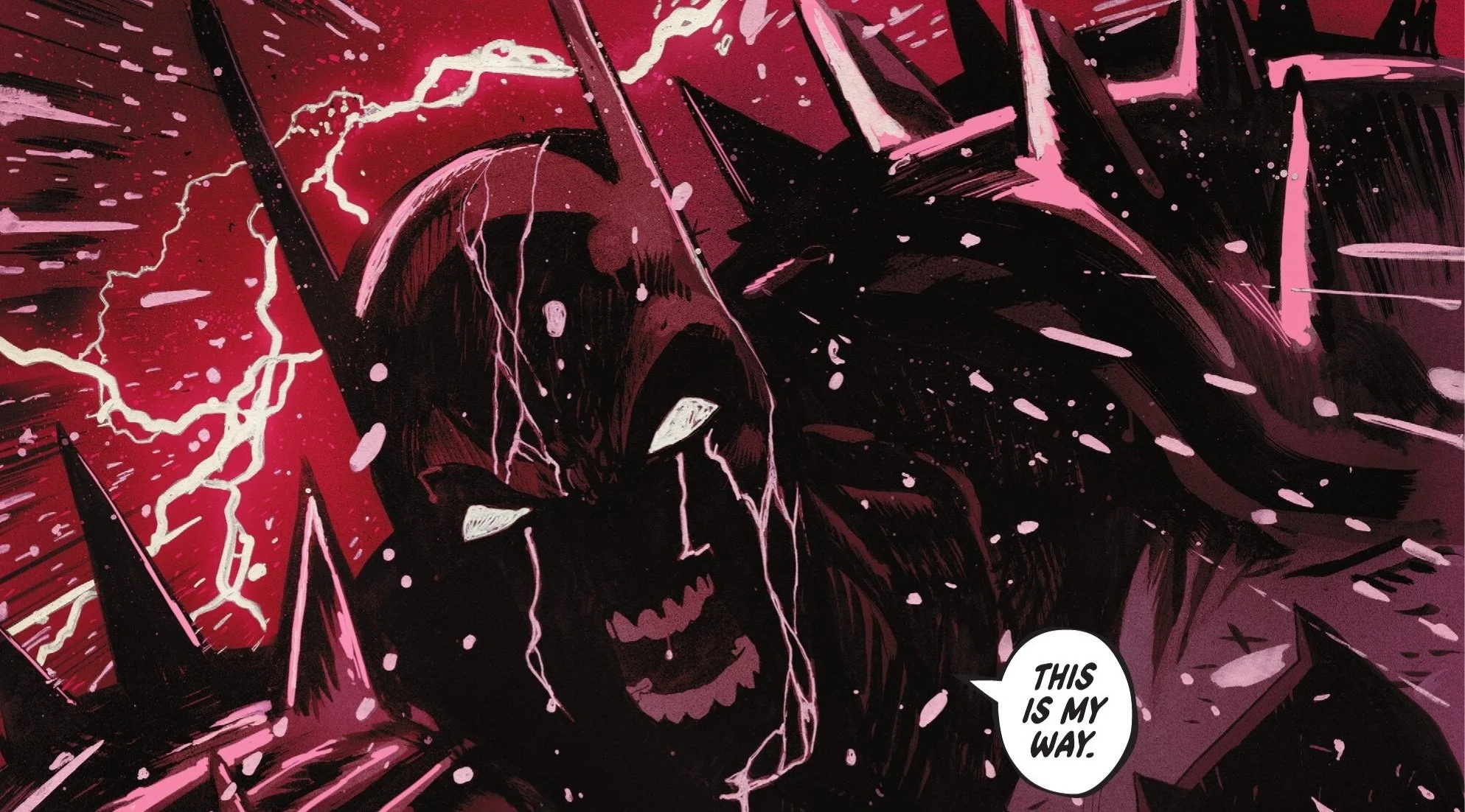
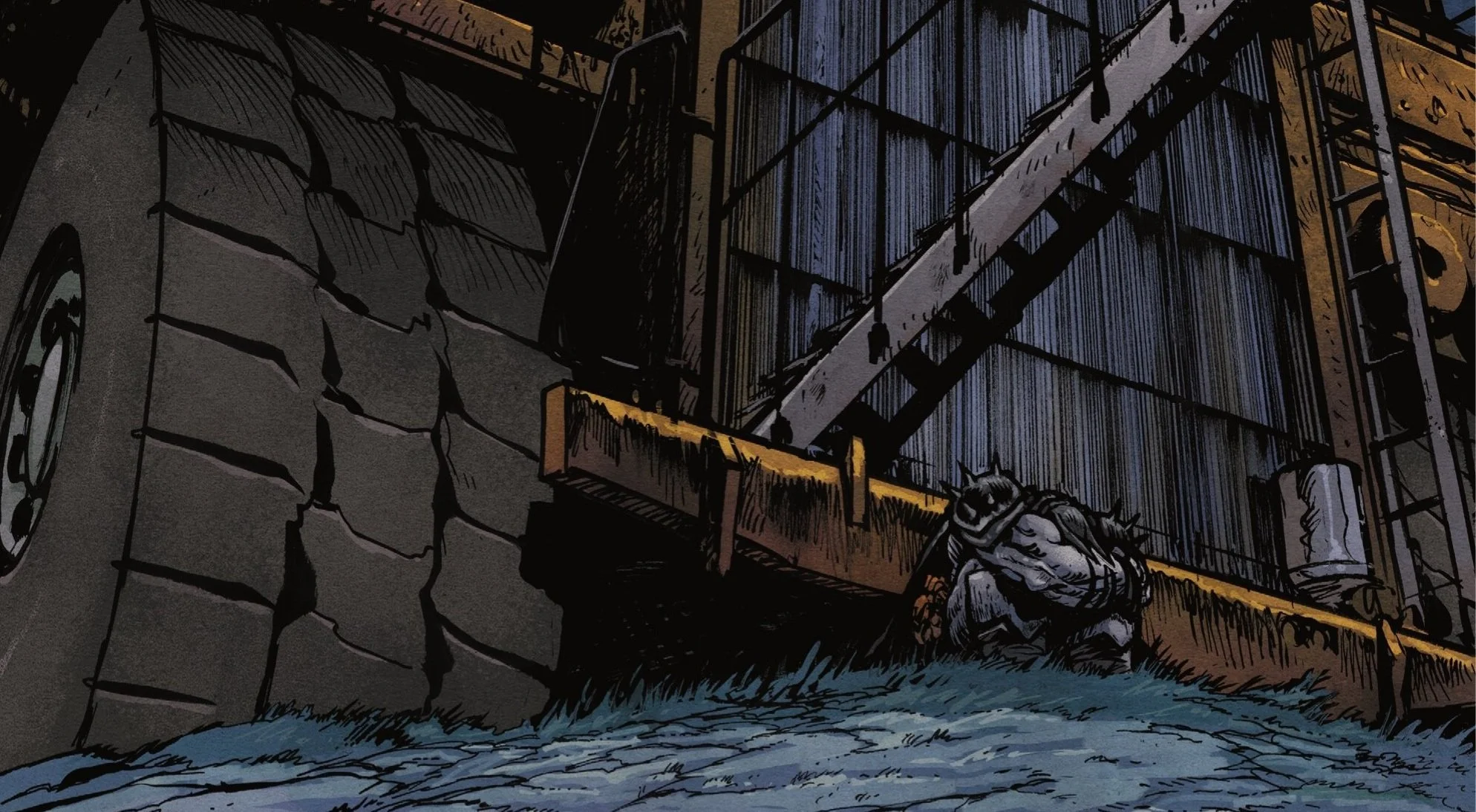
The final image of the main story is not one of triumph. Instead, Batman is balled up and bawling, left wondering if he has gone too far in his intense violence. This single panel is the emotional climax that lays bare the consequence of his actions. By embracing this raw violence, he risks betraying the legacy of compassion his parents represented, proving that his greatest enemy is always the darkness within himself.


ART OF THE VISCERAL: Johnson's Kinetic Impact

​The political message lands with such force because of Daniel Warren Johnson's raw, intense art. His style is kinetic, bombastic, gritty, and messy in the best possible ways. This isn't the clean, surgically precise Batman art we often see. This is pure rage and energy translated onto the page.

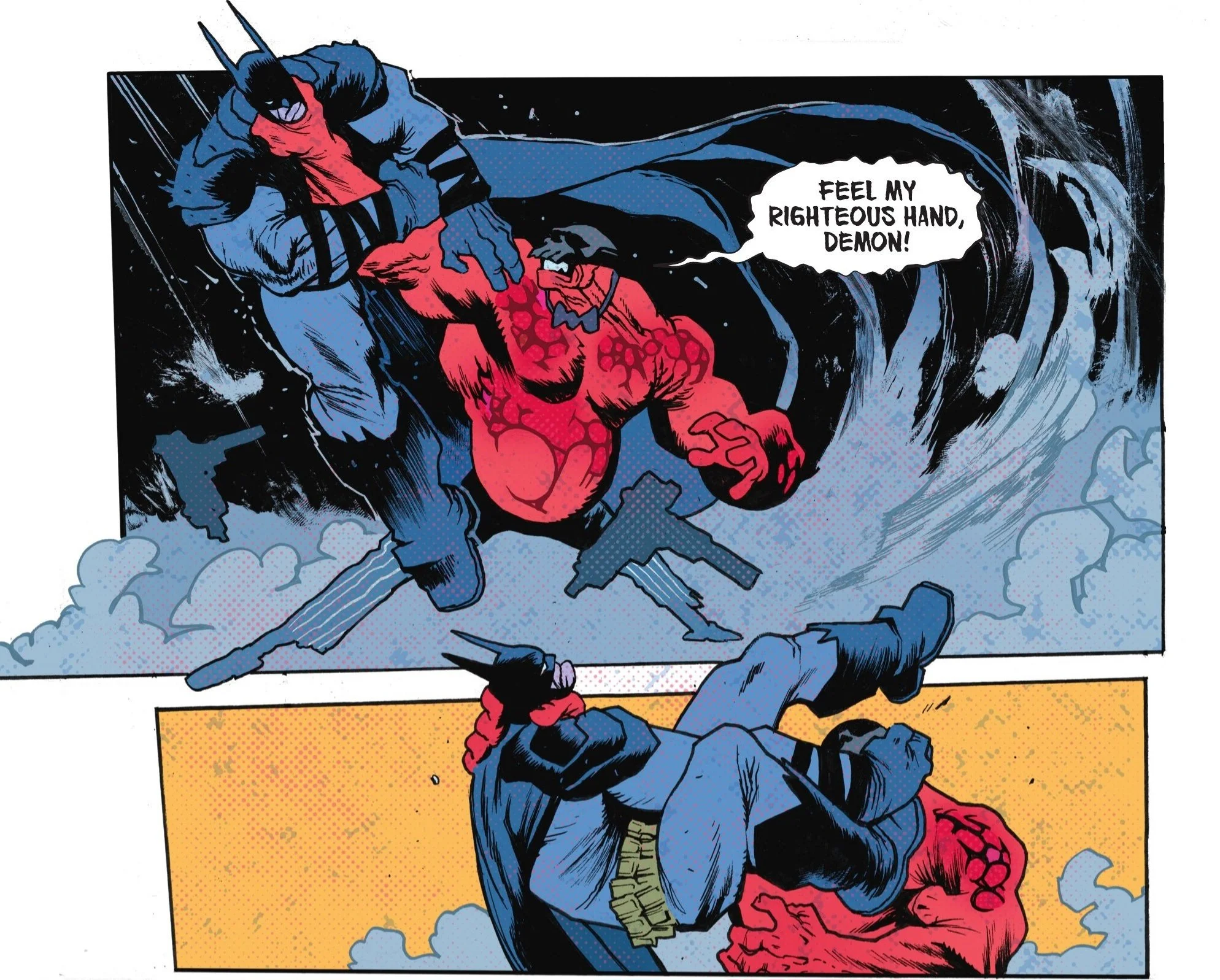
​DWJ's storytelling is based on action and motion. He makes every punch count. When Batman beats down the white nationalists, the art is a showcase of extreme punishment. The rough, messy quality of the art is perfect for this early-days, working-class Batman. His early Bat-suit lacks polish, and his fighting style is all about brute force over finesse. The whole issue is a visually arresting, fully visceral experience that confirms DWJ is the perfect artist to illustrate a story about fighting back against pure, ugly extremism.


Absolute Backup Stories

​This oversized annual isn't finished after DWJ's main feature. It includes two excellent backup tales that further flesh out the brutal Absolute Universe.

​Sanctuary by James Harren

​James Harren (writer and artist) delivers a phenomenal, visceral piece called "Sanctuary" that plays out like a desperate horror film. The core of this grim tale is the human tragedy at its center: Victor, a young gang member, brings his crew to the church where his estranged father lives. While Victor hurls insults, Batman is silently infiltrating the church, dispatching the gang members one by one. The climax is pure Harren: the gang realizes they are trapped, knocks out Victor's father, and one member takes experimental drugs to become a hulking monster. Even that isn't enough. The story ends on a surprisingly tender, emotional beat with Victor's dad holding his son. It's a powerful story about lost family and how crime destroys its own connections.

​The Meredith McClaren Story

​Finally, Meredith McClaren contributes a brilliant, thoughtful conclusion to the annual. Her two-page ending is a necessary shift in tone, providing a moment of contemplation after all the violence. It features a series of panels giving facts about bats while showing sightings of the Absolute Batman. The idea is to illustrate the traits the hero shares with the mammal. McClaren's piece ends on a surprisingly hopeful note: the concept that we can be a community of bats, helping one another.


Conclusion and Verdict

This Absolute Batman Annual is exactly the kind of comic book we need right now. It takes the familiar mythology of Batman and uses it as a platform for catharsis and a call to moral clarity. DWJ gives us a raw, raging hero who understands that some threats cannot be dealt with subtlety. The final image of Batman weeping confirms that the consequences of his mission remain his greatest struggle. This issue is a beautifully drawn exploration of extremism and righteous fury. It truly feels like a mirror held up to our own world's rage.

Verdict: Essential Reading. This is Daniel Warren Johnson at his absolute best.

But what do YOU think? Let us know below!

A New Face of Fear? 7 Villains We Could See in The Batman Part II

George SerranoComment

Following the triumph of The Batman, director Matt Reeves has left fans buzzing with a tantalizing tease about the sequel's villain: a character we haven't seen properly done on the big screen. This promise opens up Batman's rogues' gallery to some of its more compelling, and often more horrifying, figures. Given the established themes of corruption, inherited legacy, and psychological terror, we've ranked the most probable villains to be the next big threat to Robert Pattinson's Caped Crusader.


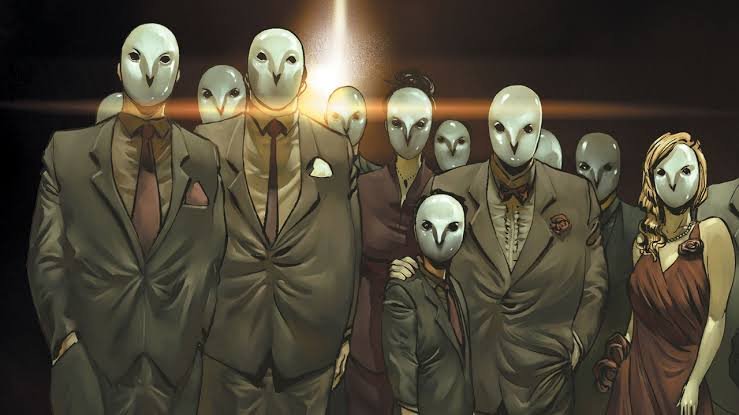
The Court of Owls 🦉⛪️

Debut: Batman (Vol. 2) #6 (February 2012) Created by Scott Snyder and Greg Capullo.

The Court of Owls is a centuries-old secret society of Gotham's elite who use an army of undead assassins called Talons to control the city from the shadows. They were long considered a children's rhyme or urban legend, but they are very real, manipulating events and people for generations.

Probability: Most Likely. This group is the perfect fit for Reeves' universe. The first film and The Penguin TV series have heavily focused on Gotham's deep-rooted corruption and powerful families. Introducing a cabal like the Court of Owls would not only expand on this theme but would also directly challenge Bruce Wayne, forcing him to confront his own family's history and potential complicity in Gotham's decay.


Hush 😈🕵‍♂️

Debut: Batman #609 (January 2003) Created by Jeph Loeb and Jim Lee.

Thomas Elliot was a childhood friend of Bruce Wayne who, out of jealousy, tried to kill his own parents to inherit their wealth. When Thomas Wayne saved his mother's life, Thomas Elliot grew to despise the Wayne family, eventually becoming a masterful surgeon who uses bandages to hide his identity and orchestrate a complex revenge plot against Batman.

Probability: Strong Contender. This villain offers a deeply personal and psychological threat. The first film even included an "Elliot" family reference, which many fans took as a subtle nod. Hush's story is a tense, noir-style thriller that would force Bruce to face a dark reflection of himself, making for a compelling and grounded narrative.


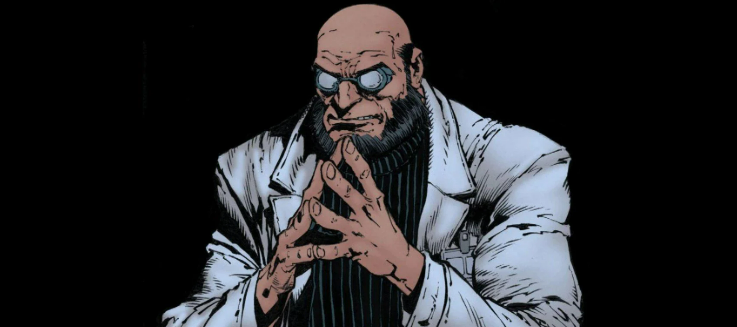
Hugo Strange 🧠👓

Debut: Detective Comics #36 (February 1940)
Created by Bill Finger and Bob Kane.

Origin: Professor Hugo Strange is a brilliant but unstable psychologist who becomes obsessed with Batman. He uses his expertise in psychiatry and chemistry to create monstrous "Monster Men" and is one of the first villains to correctly deduce Batman's secret identity, an obsession that consumes him completely.

Probability: Good Fit. Strange represents a purely mental and intellectual challenge for Batman. The first film's ending sets up Arkham Asylum as a key location, and Strange's role as a leading figure there would be a natural way to expand the universe and explore its psychological darkness. While he's appeared in other live-action shows, he's never been the main villain of a film.


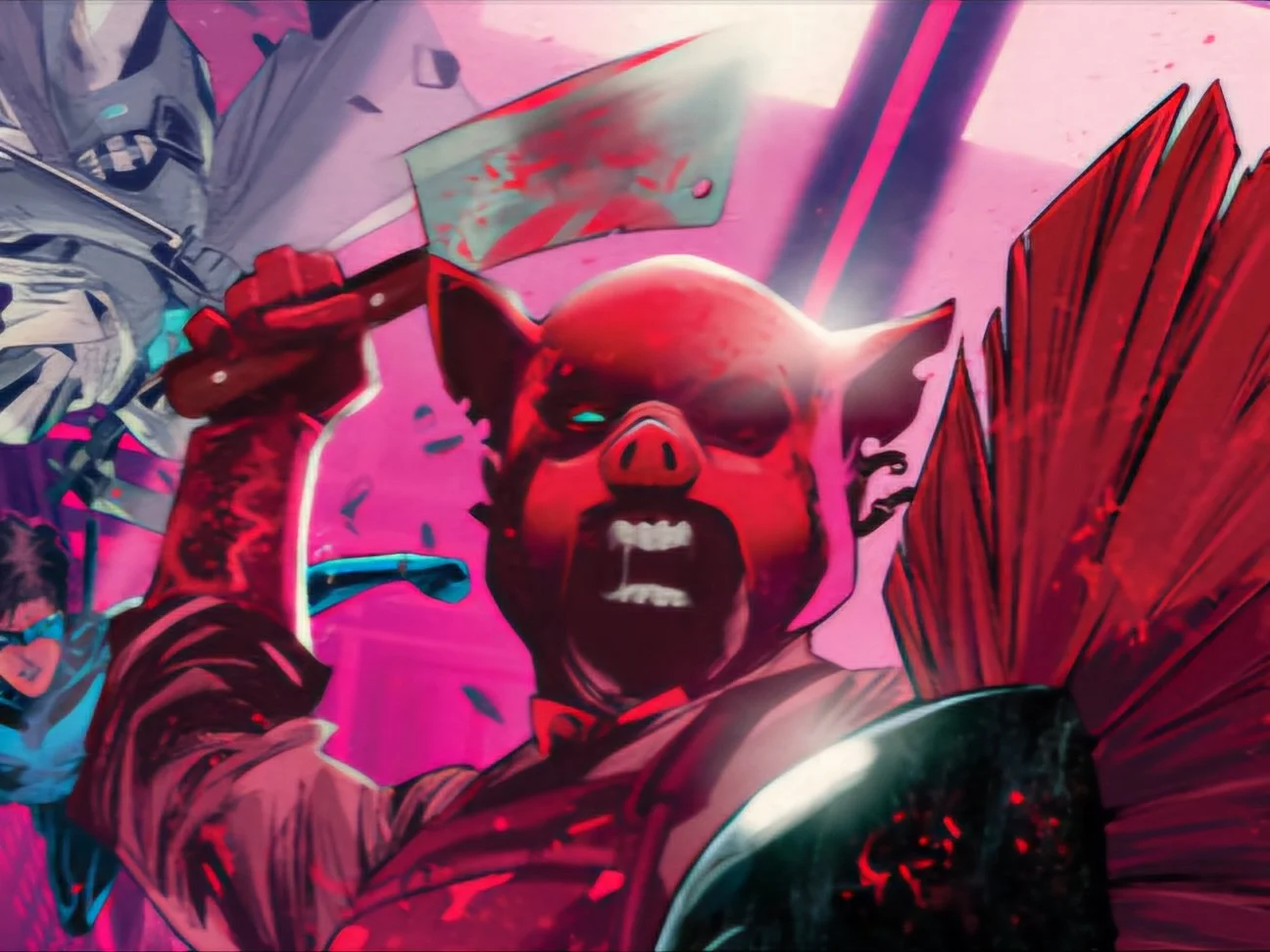
Professor Pyg 🔪🐽

Debut: Batman and Robin #1 (August 2009)
Created by Grant Morrison and Frank Quitely.

Lazlo Valentin was a traveling circus master who becomes obsessed with making people "perfect" through twisted surgical procedures, turning them into docile, doll-like creatures he calls Dollotrons. He leads a "Circus of Strange" and views his horrific acts as a form of performance art.

Probability: A Terrifying Possibility. This villain would be a great way to lean into the horror elements of Reeves' universe. Pyg offers a different kind of terror than the Riddler, focusing on grotesque body horror and psychological torment. While he's a newer character, his gruesome nature fits the dark, grim tone perfectly and would provide a fresh, chilling direction for the sequel.


Firefly 🔥☣️

Debut: Detective Comics #184 (June 1952)
Created by France Herron and Dick Sprang.

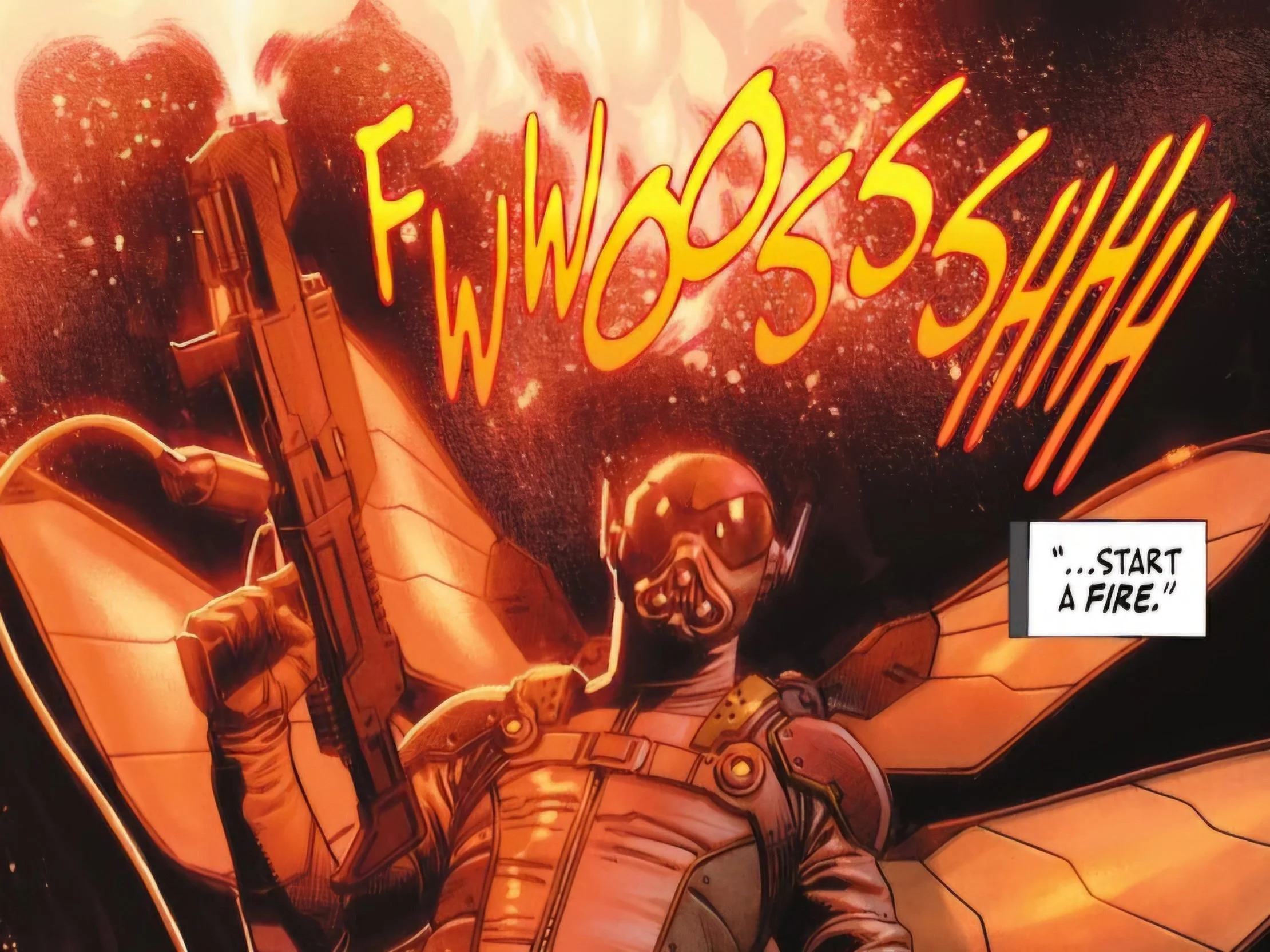
The most prominent version of Firefly is Garfield Lynns, a special effects expert and pyromaniac who becomes obsessed with fire after a traumatic event leaves him scarred. He outfits himself with an insulated, fireproof suit, a flamethrower, and a jetpack, seeing the city as something beautiful to be burned down.

Probability: A Unique Choice. Firefly's obsession with fire and destruction would provide a unique visual and thematic contrast to the dark and wet Gotham we've seen. He fits the grounded, realistic tone as a deranged pyromaniac with a custom suit, not a superpowered being. His crimes of arson would force Batman into a different kind of detective work, focusing on a trail of devastation rather than cryptic clues.


Man-Bat 🦇🧪

Debut: Detective Comics #400 (June 1970)
Created by Frank Robbins and Neal Adams.

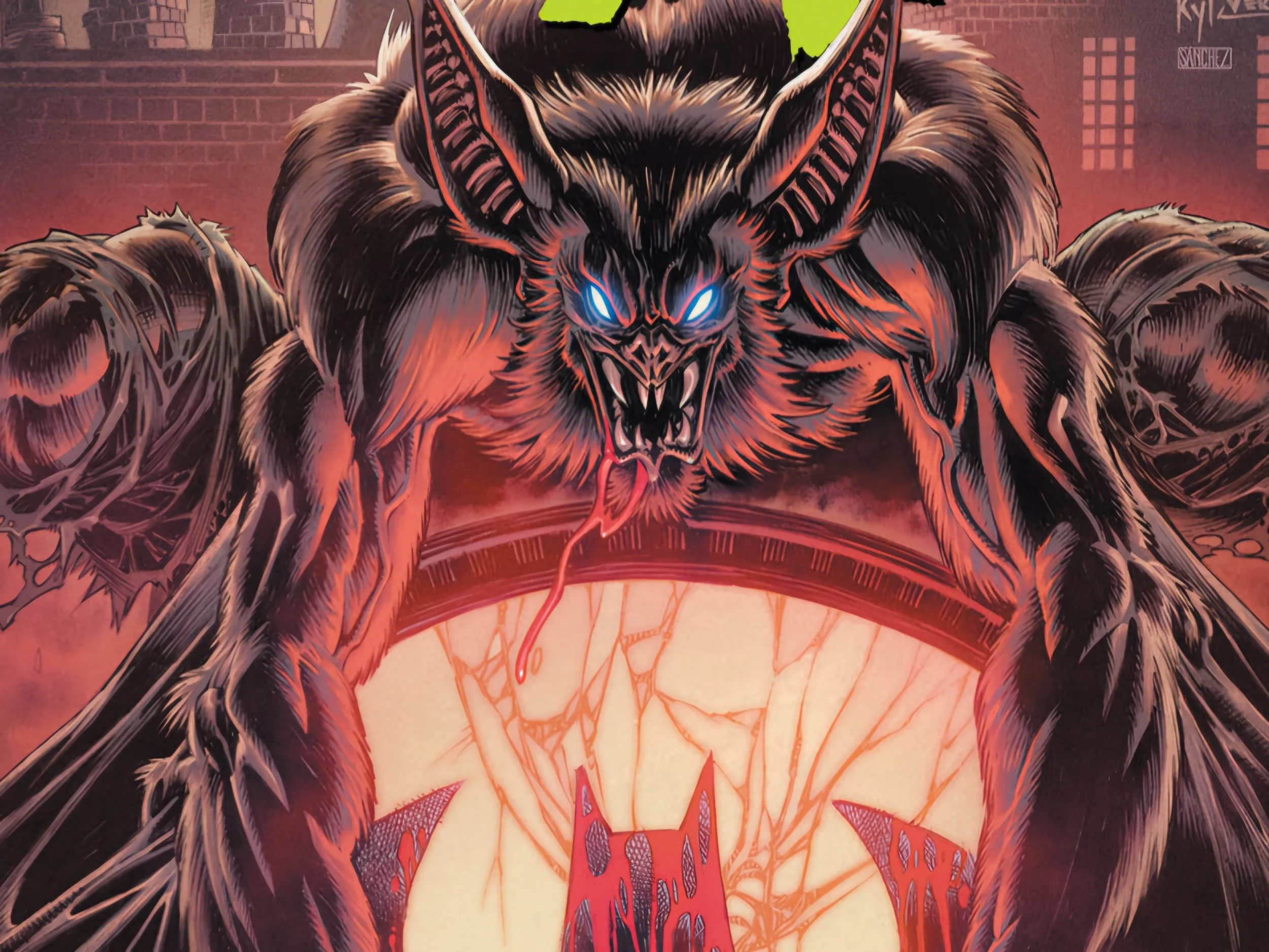
Dr. Kirk Langstrom, a renowned zoologist, attempts to give himself bat-like sonar abilities to cure his own deafness. His experiment goes horribly wrong, transforming him into a monstrous, bat-like creature with enhanced strength and agility that he cannot control.

Probability: An Outside Shot. While it might seem too fantastical, a horror-based approach to Man-Bat could be incredibly effective. Reeves could portray him as a tragic figure and a terrifying creature, pushing the boundaries of what is considered "realistic" within this cinematic world while maintaining a grounded, character-driven story. He has never been a main villain in a live-action film.


The Ventriloquist & Scarface 🎩🎭

Debut: Detective Comics #583 (February 1988)
Created by John Wagner, Alan Grant, and Norm Breyfogle.

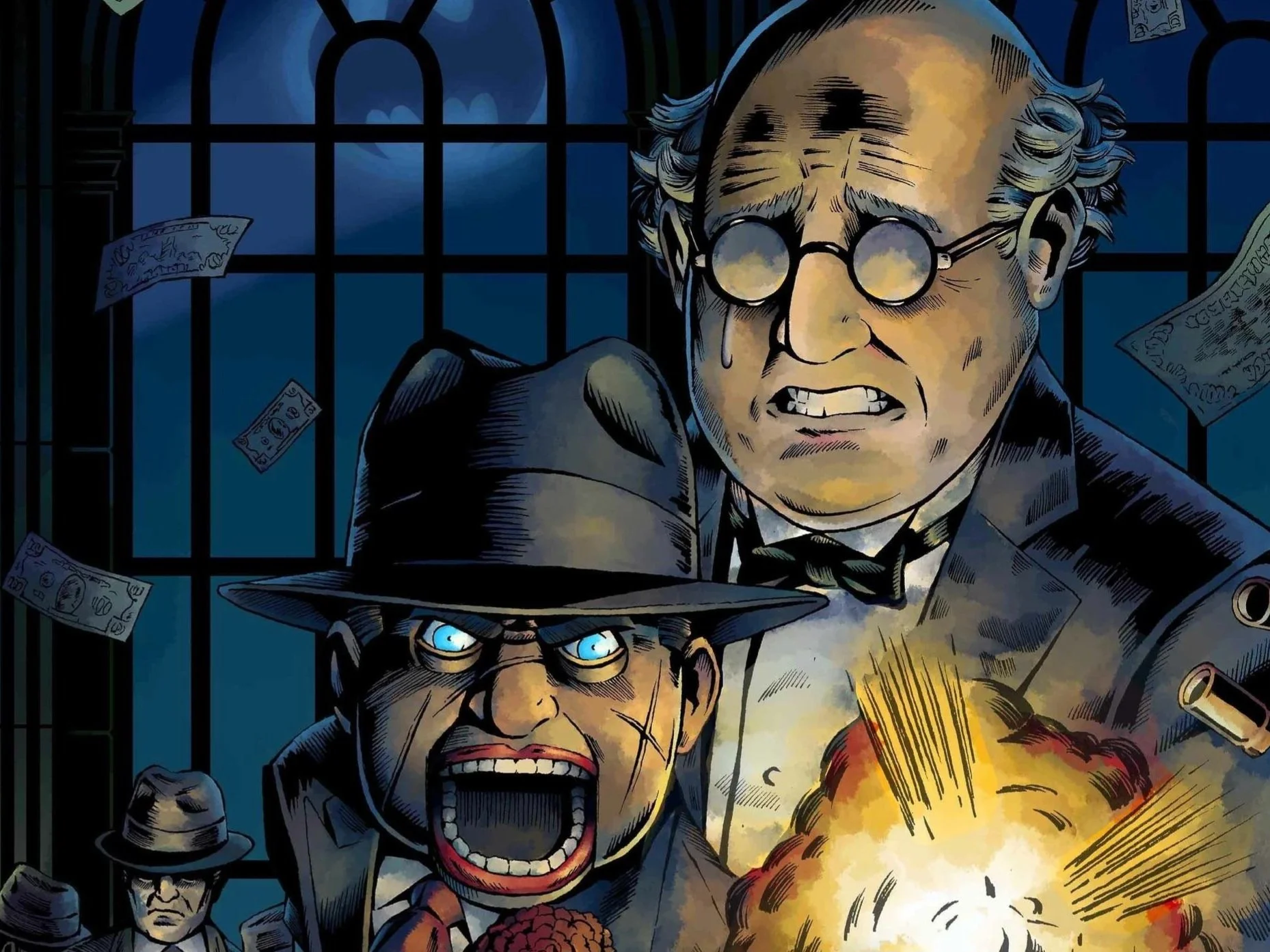
Arnold Wesker is a timid, quiet man with a severe case of dissociative identity disorder. He channels his aggressive, violent personality into a ventriloquist's dummy named Scarface, a gangster caricature who Wesker believes is a separate person.

Probability: A Dark Horse. This villain offers a compelling look into a fractured psyche that would be a fascinating addition to Reeves' world. The contrast between Wesker's timidness and Scarface's viciousness would make for a truly bizarre and memorable antagonist, all without needing to stretch the boundaries of "realism."

But what do you think? Who do you think Matt Reeves is considering as the antagonist of The Batman II?

From Punching Hitler to Protecting Him: How Superhero Morality Got Lost

George SerranoComment

How far have we fallen as a culture when we are debating whether Adolf Hitler should have been spared? This question is not hypothetical. It is playing out in a comic book preview and reflects how confused our sense of right and wrong has become in stories that have long shaped moral understanding.

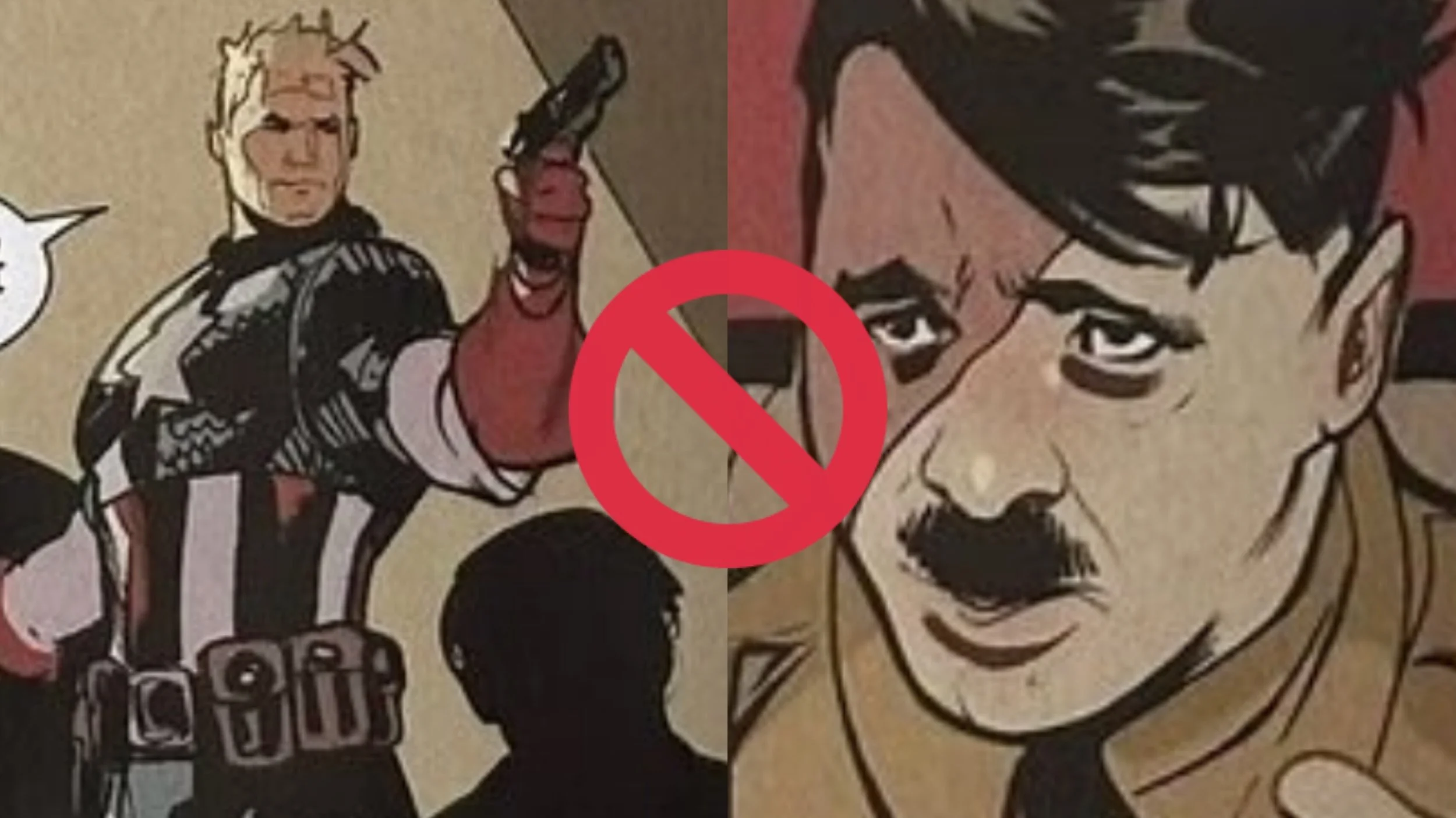
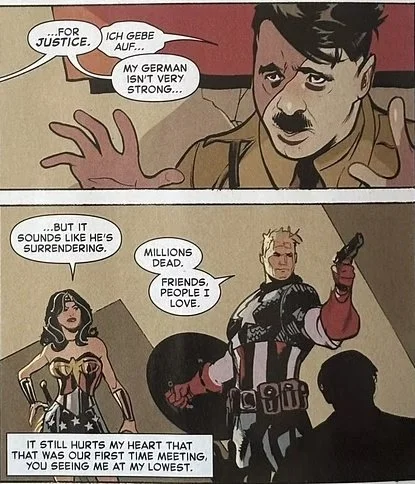
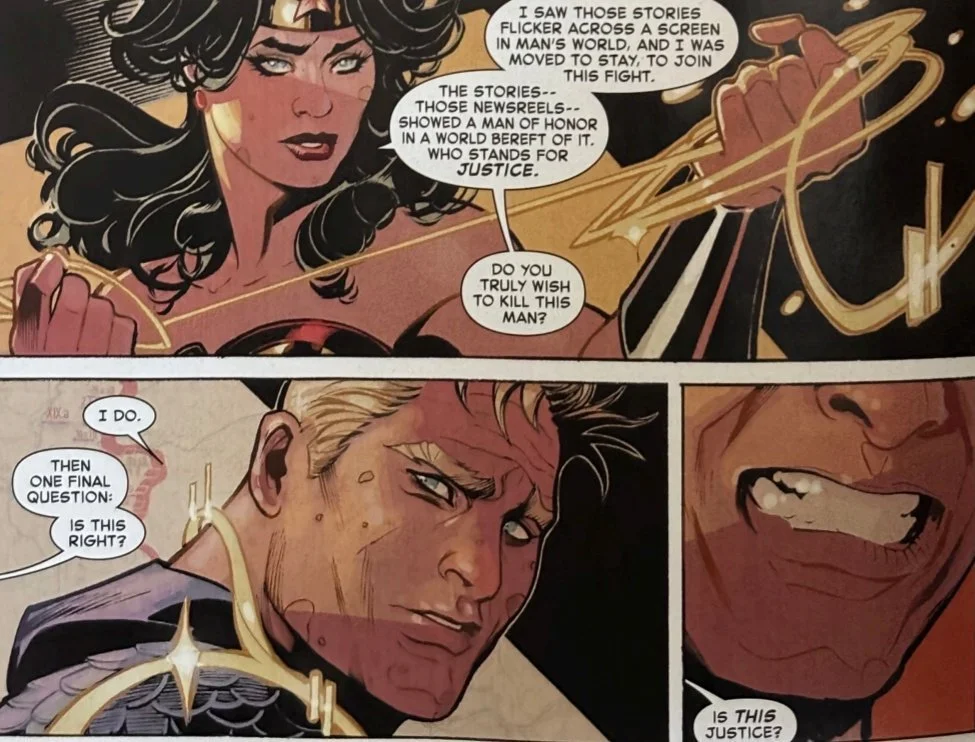
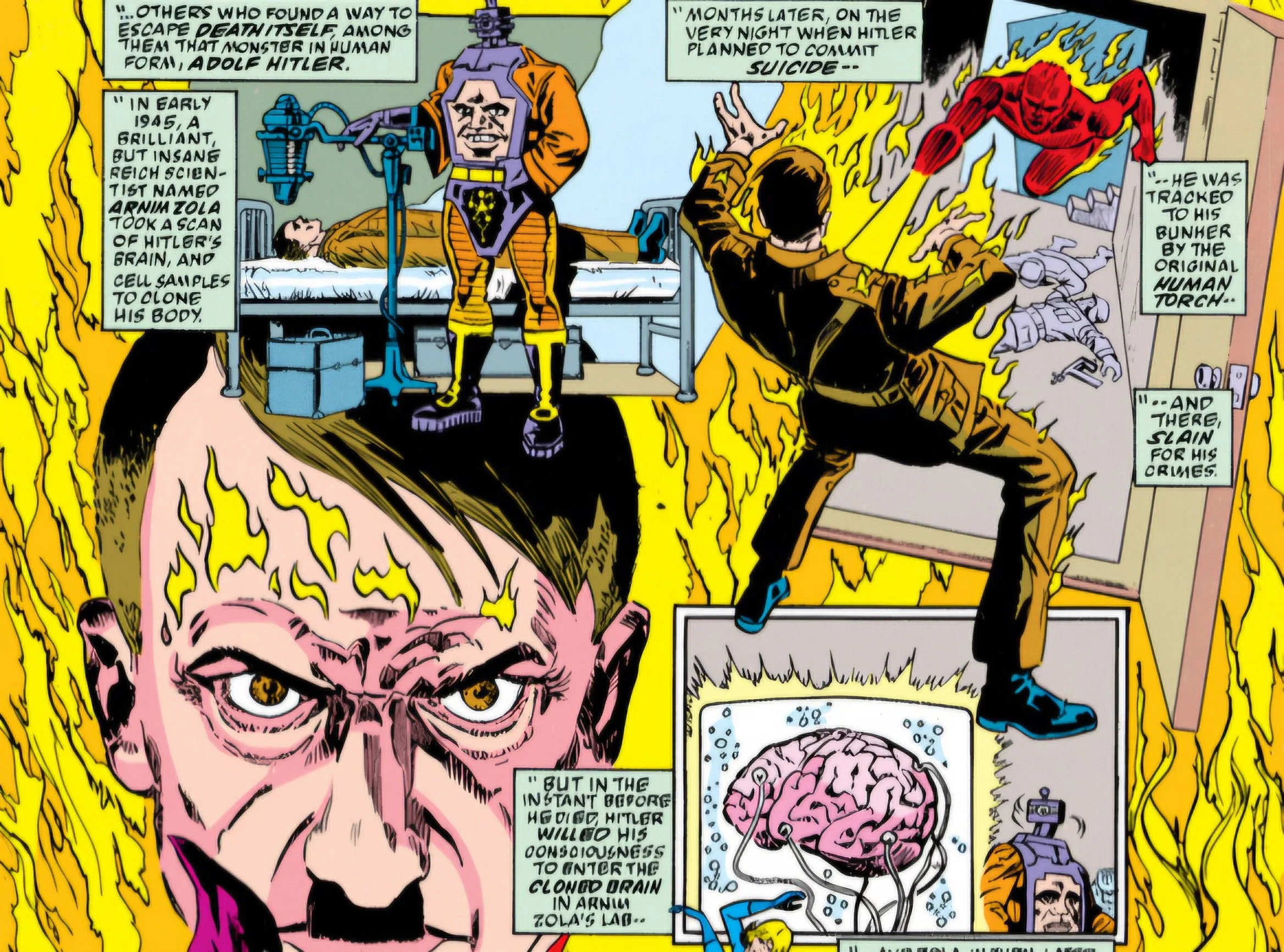
In the upcoming Batman/Deadpool crossover, Captain America stands over a surrendering Hitler, pistol raised. Hitler lifts his hands and mutters, “Ich gebe auf”—“I surrender.” Cap’s face is twisted with grief and rage as he says, “Millions dead. Friends, people I love.” Before he can act, Wonder Woman intervenes: “Do you truly wish to kill this man? Is this right? Is this justice?”

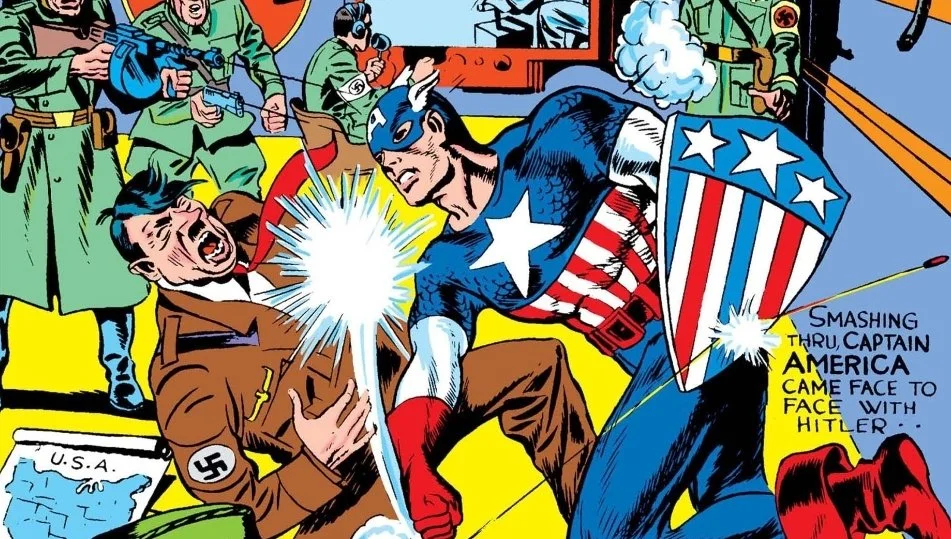
The moral clarity of Captain America punching Hitler, established in 1941, has now been replaced with hesitation. A hero who once acted decisively in the face of the most obvious evil in history is now shown questioning whether even Hitler deserves death. Yes, in 2025.


How Comics Historically Confronted Nazis

From the Golden Age of comics, superheroes confronted Nazis with no hesitation. Captain America’s debut cover, first issue in 1941, depicted him delivering a decisive punch to Hitler. Villains were villains. Evil was clearly defined. There was no moral gray area.

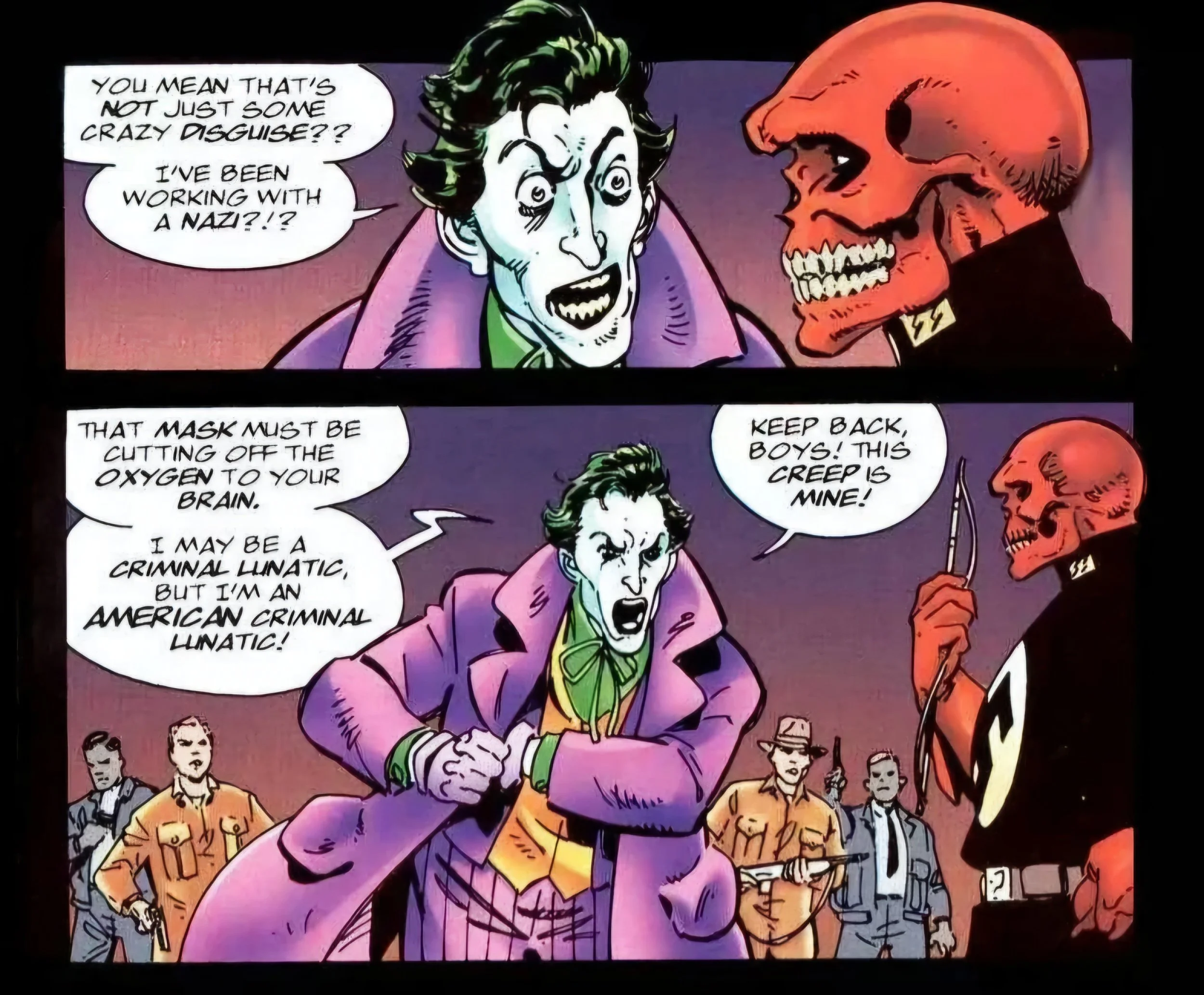
Other heroes followed suit. The Human Torch, Bucky, and even Wonder Woman in early stories fought Nazi agents and stopped sabotage plots with direct, unambiguous action. Red Skull, Baron Zemo, and other recurring villains embodied threats to freedom and marginalized communities, and heroes did not pause to debate whether justice should be tempered by hesitation.

This clarity helped establish a moral baseline in comics: evil must be confronted, and those who perpetrate mass harm deserve to be stopped. These stories were both propaganda and moral instruction. They drew lines between right and wrong that readers of all ages could understand and internalize.


A Questionable Benefit of the Doubt

Some argue that Chip Zdarsky’s scene may include nuance not visible in the preview. It is possible. Full context could show a resolution that preserves Captain America’s heroism while exploring moral dilemmas.

Even with that possibility, skepticism is warranted. The preview explicitly frames Hitler’s surrender, Cap’s grief, and Wonder Woman’s moral questioning. It signals a deliberate exploration of hesitation in the face of evil. While nuanced storytelling can add depth to characters, framing Hitler as a potential candidate for mercy is a dramatic shift from the historical treatment of Nazis in comics.

The concern is not the story itself. The concern is what this shift represents: a cultural willingness to debate whether someone responsible for mass genocide should be spared, even in fiction. That hesitation has consequences for how we perceive moral certainty in real life.


Fiction Hesitates, Reality Punishes

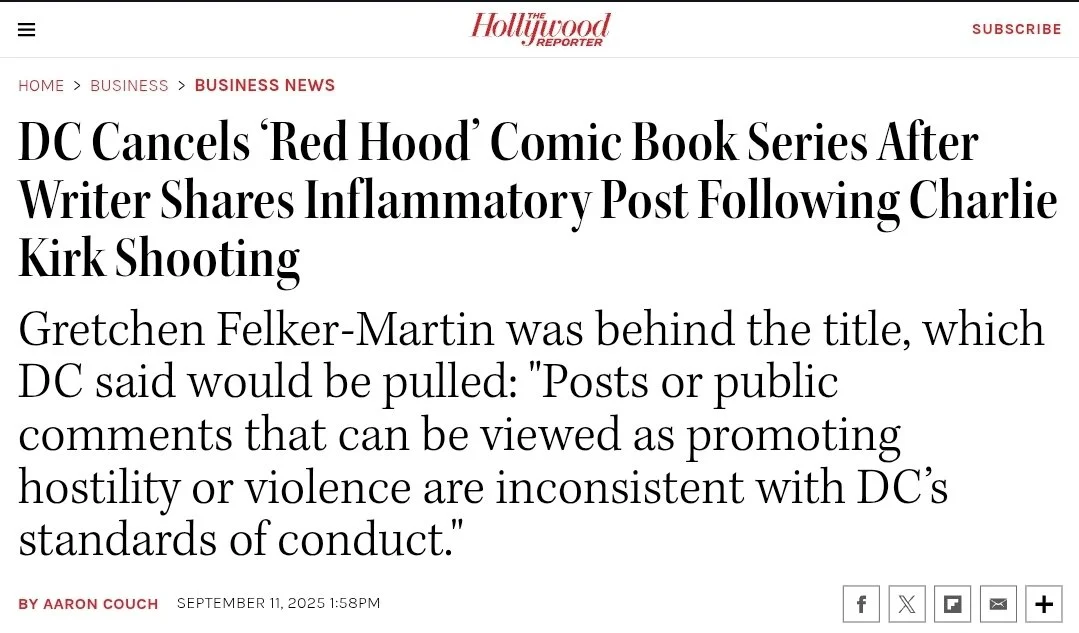
Meanwhile, reality treats moral clarity differently. Around the same time this comic preview circulated, DC Comics fired Gretchen Felker-Martin and canceled her Red Hood series after she labeled conservative activist Charlie Kirk a “Nazi” on social media shortly after his death. The company cited violations of “standards of conduct” against promoting hostility or violence.

This contrast is stark. Fiction can explore whether Captain America should spare Hitler. A real-world creator is punished for speaking plainly about a contemporary political figure whose rhetoric many argue aligns with dangerous ideologies. Kirk’s defenders sanitized his image, calling him a “father” and a “free-thinker,” while celebrating the silencing of a professional who addressed the dangers she saw.

This juxtaposition exposes a cultural double standard. We are comfortable debating the morality of sparing the most notorious villain in history but hesitant to name contemporary threats for what they are. That hesitation sends a dangerous message.


The Broader Cultural Implications

Superhero stories have always reflected cultural values. When comics portrayed Nazis unambiguously as evil, they reinforced the idea that some actions and some people are clearly wrong. When stories introduce hesitation or moral ambiguity in the face of clear evil, they blur those lines.

The implications extend beyond fiction. Extremist movements have gained traction by normalizing moral ambiguity, and hesitation in cultural storytelling can subtly legitimize those movements. If even Hitler becomes a question in popular media, audiences may start to see other dangerous ideologies as debatable rather than condemnable.

Moreover, younger readers who look to superheroes for moral guidance may be exposed to the idea that hesitation is not only acceptable but expected, even against those whose crimes are indisputable. This is a sharp contrast to the moral clarity of earlier comics and represents a profound cultural shift.


Why Moral Clarity Still Matters

The lesson of the first Captain America cover remains: when evil shows its face, heroes act decisively. Hesitation costs lives. Fiction might explore nuance, but reality demands conviction. If we start treating even Hitler as a question mark, what modern villains or extremists will slip by under the guise of “complexity” or “forgiveness”?

The world does not need more hypotheticals about whether the worst people in history deserved mercy. It needs more heroes willing to act, and more creators willing to call out real-world threats without fear of professional punishment.

Superheroes teach lessons about courage, justice, and moral clarity. If they hesitate against the worst, we risk teaching hesitation as a virtue when confronting evil in real life. The first Captain America cover delivered a message that was simple and uncompromising: evil must be stopped. That message is more relevant than ever. Neither heroes nor society should flinch.

But what do you think? Tell us more below!

The Thin Blue Line Is Broken: A Review of Batman #1

George SerranoComment

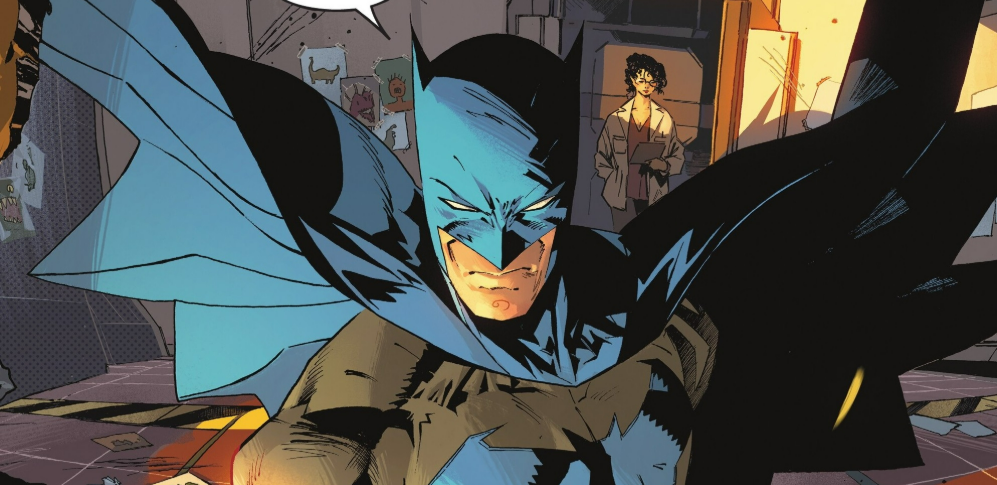
A new era for the Caped Crusader begins with the release of Batman #1, and writer Matt Fraction and artist Jorge Jimenez are pulling no punches. The creative duo immediately strips away years of cooperation, throwing the World's Greatest Detective back into the gritty heart of Gotham where he finds himself once again at odds with the city's finest. Fraction and Jimenez place the hero back in his classic blue-and-grey and reignite a fundamental feud: the Dark Knight vs. the GCPD. Given the current national climate, the choice to return Batman to his roots of not trusting law enforcement feels less like a new story and more like a necessary confrontation. (Spoilers for Batman #1)


The Setup: A City in Crisis

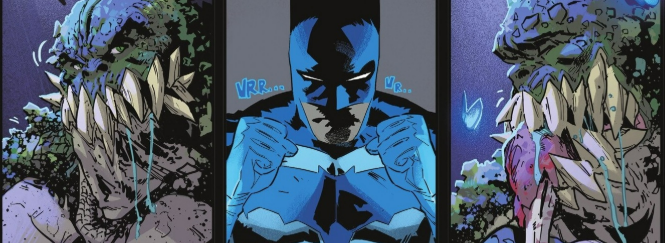
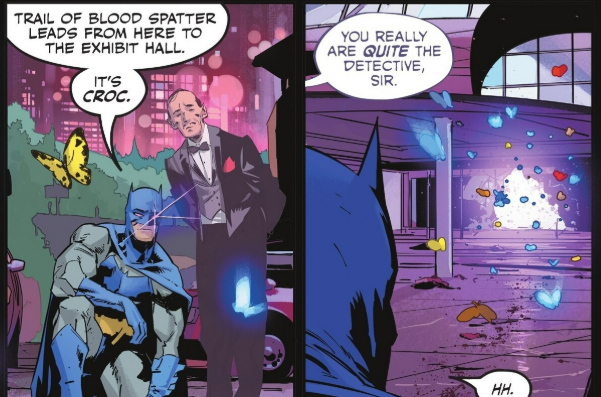
Fraction and Jimenez's debut issue follows a familiar A-story: Waylon Jones, better known as Killer Croc, escapes a mental health facility. But the writers immediately subvert expectations. Instead of a brutal brawl, Batman finds the villain in a moment of childlike calm at the Natural History Museum. The ensuing confrontation is a masterclass in psychological tension, with Batman choosing a compassionate dialogue over violent vigilantism. He succeeds in getting Croc to willingly return to the facility, all but proving that his approach works.

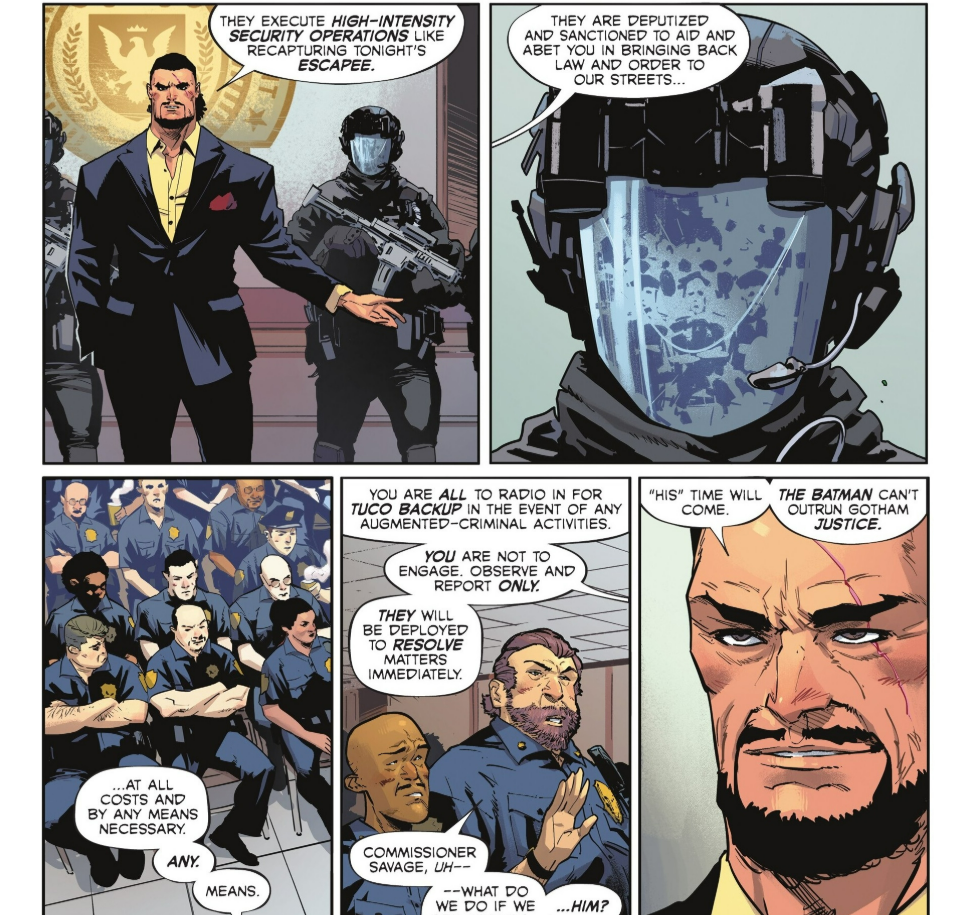
Meanwhile, the comic introduces the core conflict for this new run: the militarization of the GCPD. We meet Gotham's new Commissioner, the power-hungry Vandal Savage, who debuts a team of masked, riot-gear-clad operatives called the Tactical Urban Combat Officers (TUCO). Savage makes his intentions clear, declaring his new force will handle threats like Croc and that Batman's time will come. "The Batman can't outrun Gotham Justice," he states, a warning that foreshadows a direct war between the hero and the police.

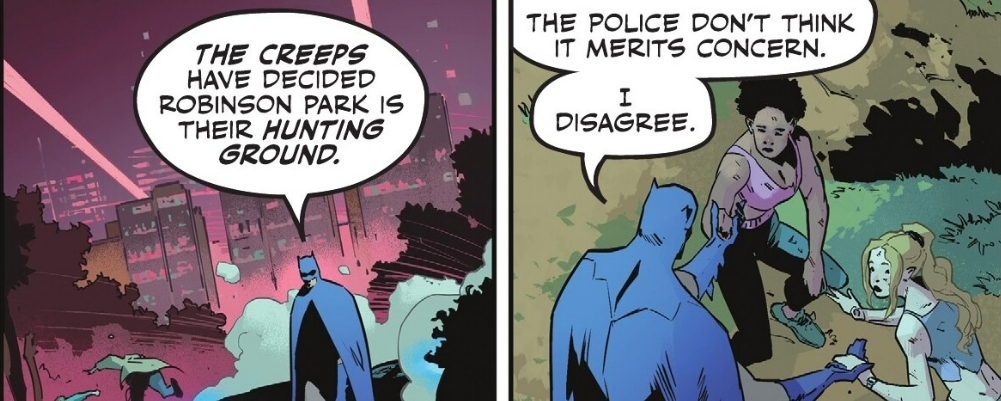
This ideological clash is further cemented by Batman’s own observations. While saving two young women from the Creepers, a gang who have taken over a public park, Batman criticizes the GCPD for failing to address the gang and letting the situation fester. This feels like a radical departure from the Batman who worked hand-in-hand with Commissioner Gordon. The issue closes with a chilling moment: Robin, Tim Drake, is stopped at gunpoint by GCPD officers and asks over comms, "Is there anyone on the police force we're friendly with these days?" This cements the comic's theme that not even Batman's trusted allies are safe from a police force that has completely lost its way.


The Heart of the Review: A System in Crisis

Fraction's writing, masterfully complemented by Jimenez's art, doesn't merely tell a story; it holds a mirror to systemic failures. The treatment of Waylon Jones/Killer Croc serves as the issue's most poignant example. In a society quick to label and fear, Croc is often depicted as a monstrous, irredeemable brute, an enemy to be subdued with force. Yet, Fraction presents him as a man struggling with profound mental health challenges, seeking solace in the primal comfort of the museum's T-Rex display. Batman, in a startling departure from his usual modus operandi, opts for empathy and dialogue over violence. This choice is crucial: it not only de-escalates a potentially devastating situation but also implicitly critiques a system that defaults to force, punishment, and incarceration for individuals who may desperately need understanding and care. The implication is clear: if the GCPD, or society at large, had adopted Batman's approach, perhaps Croc's "escape" wouldn't have been an emergency, but a cry for help.

This critique of systemic failure extends directly to Vandal Savage's new Tactical Urban Combat Officers (TUCO). These masked, militarized units are explicitly designed to address "threats" like Croc, yet their very existence embodies the problem. They represent a clear shift from community-oriented policing to an authoritarian, us-vs.-them approach. The eerie resemblance you noted to real-world masked federal agents speaks volumes, highlighting how the comic intentionally draws parallels to current events where heavily armed, anonymous forces are deployed against a city's own citizens. Their mandate is not to serve or protect, but to control and enforce through intimidation, irrespective of the underlying causes of societal unrest or individual distress.

Fraction further underscores the GCPD's abandonment of its core duties through Batman's pointed observations about the Creepers gang. The fact that a known criminal element can openly harass citizens in a public park, with Batman remarking that the GCPD "does not take the Creepers seriously," showcases a policing structure that either cannot or will not protect its most vulnerable citizens from everyday threats. Instead, resources are diverted to a militarized force focused on "bigger" (and arguably, more politically charged) targets. This leaves marginalized communities, often the ones most impacted by petty crime and harassment, further exposed and unsupported.

The concluding scene with Tim Drake being stopped at gunpoint by GCPD officers is the grim culmination of this narrative. It demonstrates that the police force, now under Savage's iron fist, is not only failing to protect its citizens but has become a direct threat, even to those who embody justice and safety. This militarization of police, the story argues, has utterly failed Gotham, creating a climate of fear and distrust where even the city's heroes are no longer safe from the very institutions meant to uphold order.

Finally, Fraction introduces a fascinating new layer to Bruce's psyche with the presence of an AI Alfred. This digital version of his beloved mentor acts as a witty, a backseat driver, and an unwilling conscience, reminiscent of the Iron Man/JARVIS dynamic. Alfred's presence, whether real or a digital ghost, is a poignant commentary on Bruce's inability to let go. Just as he refuses to move past his parents' death, his war on crime, he now chooses to keep those he's lost in his life in this digital form. It speaks to a deep psychological need to maintain a connection to his past, and another compelling reason why his war on crime is a constant struggle.


The Visuals and Art

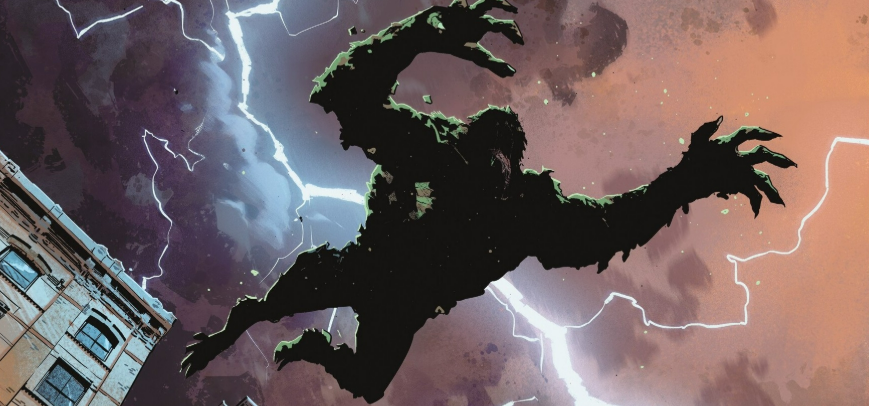
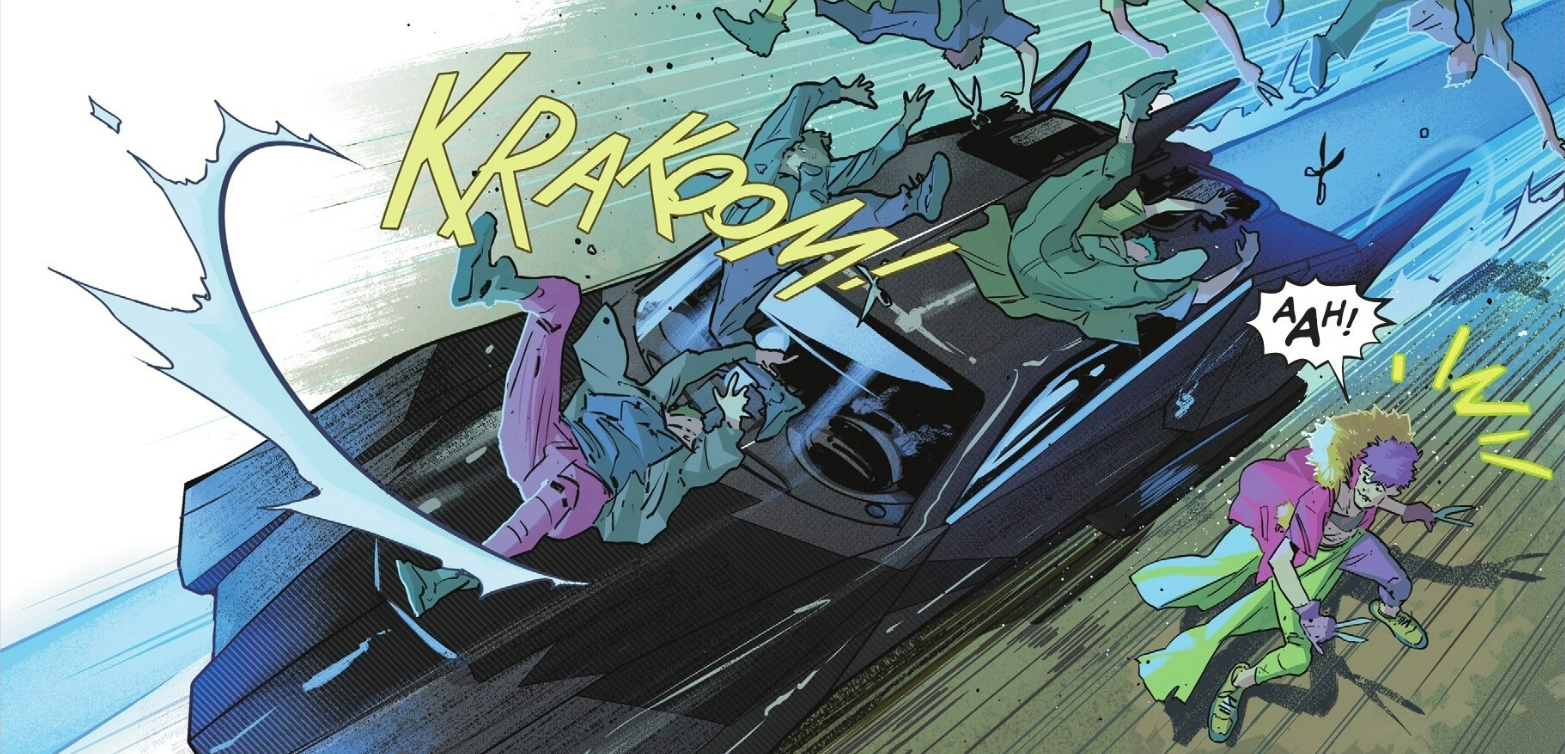
While Fraction's script provides the thematic backbone, it's Jorge Jimenez's art that makes this issue a must-read. Jimenez is a master of kinetic energy, and his work here is a new benchmark for the character. The action sequences are stunning, from a blur of motion as Batman glides through the city, to a dynamic splash page that captures the raw power of Killer Croc in a moment of sheer chaos. Yet, Jimenez knows when to pull back. The issue's most impactful visual is not one of violence, but of vulnerability, with Croc's massive, scaly form hunched over in a state of quiet despair. It’s a moment that perfectly captures the humanity beneath the monster.

Jimenez's Batman is a standout. He gets what makes the Dark Knight visually dynamic. His character models are sharp and angular, giving the hero a lean, almost predatory silhouette against the sprawling darkness of Gotham. The use of light and shadow is central to the mood, with a heavy contrast that allows the new blue-and-grey suit to pop. The blue hue of the cape isn't just a color; it's a glowing beacon in the oppressive night, symbolizing a different kind of justice in a city consumed by shadow. This meticulous attention to detail and expressive style cements Jimenez's place as one of the definitive artists of this era.


The Verdict

On the surface, this first issue of Batman #1 might feel like a simple story of a hero tracking down a rogue villain. However, Matt Fraction and Jorge Jimenez are doing something far more substantial than that. They've used this familiar setup to lay the groundwork for a run that could offer some of the most monumental social commentary the character has seen in years.

By presenting a compassionate resolution to a situation with Killer Croc, the creative team builds a powerful argument against our society’s reliance on force and incarceration for those dealing with mental health issues. At the same time, the introduction of Vandal Savage's militarized TUCO force and Batman's pointed criticism of the GCPD's failings is a direct and courageous commentary on contemporary policing. This issue feels less like a simple superhero comic and more like a carefully crafted thesis, using Gotham's broken systems as a grim reflection of our own.

Ultimately, this debut issue is a masterclass in controlled storytelling. It's a testament to the fact that Batman is at his best when he is a force for change in a city that refuses to be saved. If Fraction and Jimenez continue to build on this foundation, this run has the potential to become a definitive statement on the Dark Knight's legacy. This comic is highly recommended for readers who want more than just a fight scene—it’s for those who appreciate a story that holds a mirror up to the world and asks difficult questions.

Oh Batman, My Batman. A Tribute to Kevin Conroy

George SerranoComment

Oh Batman, My Batman. 
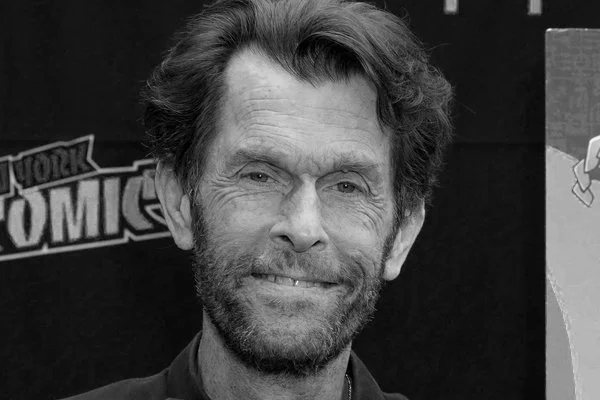
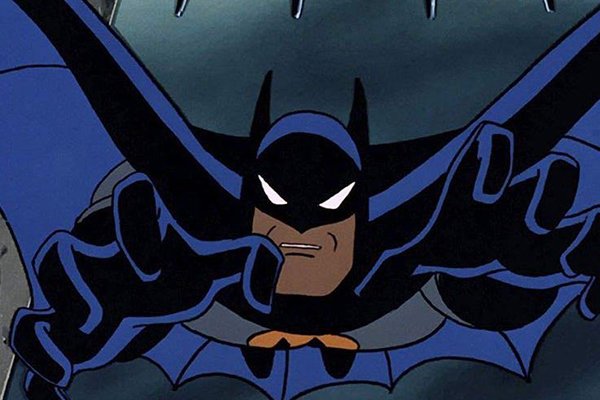
They say you never forget your first. In this case, it's hard to forget the first superhero I saw on television. It was the Dark Knight, the World’s Greatest Detective himself, Batman. I had already seen Batman Returns (which is underrated in my opinion), but my fondest memories of the character centered around watching Batman The Animated Series which made its debut when I was too young to attend kindergarten. The series was full of colorful characters and entrancing music, but the star of the show undoubtedly was Kevin Conroy, the voice of Batman/ Bruce Wayne. His character commanded every scene he was in and was a force to be reckoned with. When you saw those white eyes peering at you through the shadows of Gotham City, you knew you were in some trouble. Sadly, today I lost my Batman. Today WE lost Kevin Conroy and the world will never be the same. As Batman, he managed to give his Bruce voice more bass, and at a lower register, the sound is authoritative, threatening, and dominant

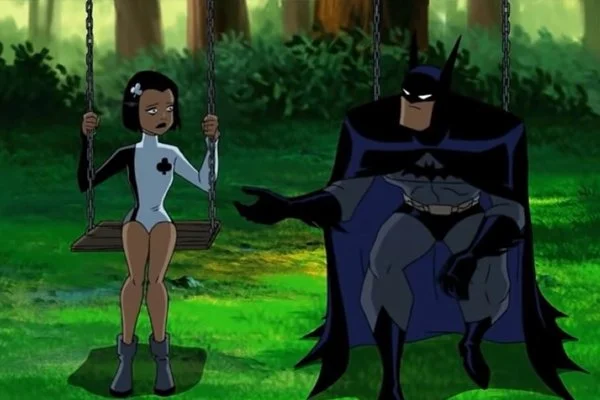
No scene encapsulates the duality of Batman quite like one from the Justice League Unlimited show. After being informed by Amanda Waller that Ace, a dangerously powerful telepathic villain, will suffer an aneurysm that could create a psychic backlash that could kill millions, Batman volunteers to neutralize the child and take Ace out. He doesn’t do so out of anger or some righteous need to be the one to put the threat down. Ironically, he agrees to the assignment because he met Ace before, and thinks she will allow him to get close. Behind all her power, Ace turns out to be a lost child made into a weapon, and being one himself, Batman chooses to sit with her and hear her out instead of neutralizing her on the spot. Knowing she is about to die, Ace makes a request. She asks Batman to sit with her so she does not have to die alone, and that is exactly what he does, holding her hand the entire time. The scene is a tear-jerking reminder that Batman is a human, with a heart, and no one could have pulled off that performance quite like Conroy.

I owe a lot to Kevin Conroy, even if he doesn’t know who I am. Batman The Animated Series opened the Pandora’s Box that would become my comic book obsession. Fast forward to the release of shows like Justice League, Justice League Unlimited, and Batman Beyond and it felt like the DC Animated Universe’s Batman was growing up alongside me. When I signed up for the military and was shipped overseas, I drowned myself in Batman comics, and guess which person’s voice I heard delivering every line in every book? It was always Kevin Conroy.

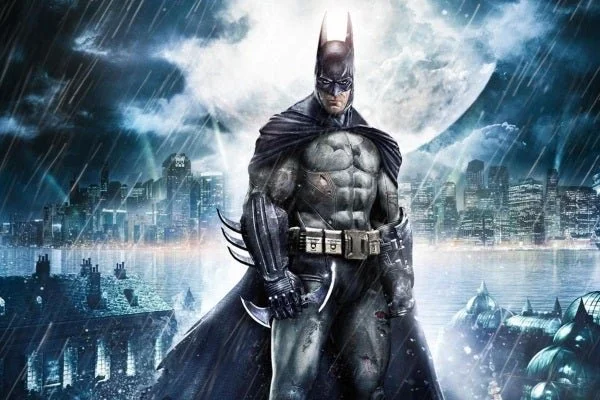
When a state-of-the-art video game series, hoping to capture all aspects of BEING Batman complete with an open world is created, who do they choose to play the savior of Gotham? The Arkham series recruited Kevin Conroy. Injustice, Batman VR, heck even some of the Lego games snagged Conroy to play Batman, knowing how much his voice resonates with a generation. Selfishly, I loved that his Batman was seemingly always around, with a voice that’s constantly evolving but always felt like home. The sheer longevity of his version of the caped crusader is something a voice artist dreams of, and Kevin deserved every single bit of praise he’s received over the year for delighting Batman fans for 30 years.  

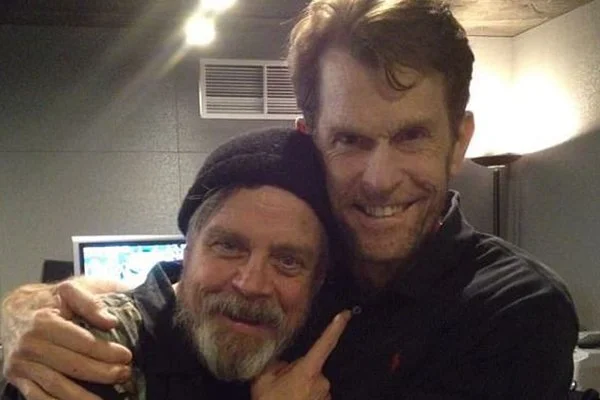
Kevin’s voice was a Swiss army knife, ready to deliver whatever emotion the scene needed to convey. Seriously, check out some of his most iconic lines from the show and you will see a level of variety that would make other Batmen jealous. We also can't forget how well he played off Mark Hamill, who voiced Joker in a litany of projects alongside Conroy. Hamill was leagues more famous than Conroy when the series began so it was amazing seeing Kevin become a superstar in his own right.  Their pairing was always one for the ages.

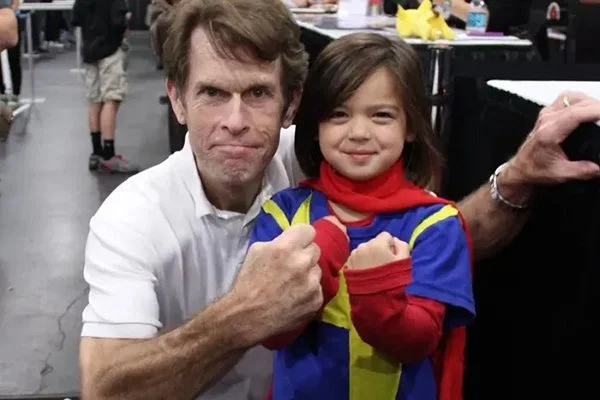
Today is a sad day, but I will choose to think of moments with Mr. Conroy that make me happy. When I think of that mischievous grin splashed across his face as he met adoring fans at comic conventions, I’m happy. When I see the video messages that he gleefully recorded for his fanbase, reenacting some of his famous lines, I’m happy. When I realize that because of his longevity as Batman, he has inspired countless other voice actors to reinvent themselves and perfect their craft, I can’t help but be happy. 

I’m happiest when I think of the projects Mr. Conroy was a part of, in the latter stages of his career. During the Crisis on Infinite Earths crossover event on the CW, Conroy finally got to play a version of Bruce Wayne/ Batman and his journey finally came full circle. For the first time, the voice of Batman was the FACE of Batman, and it couldn’t have happened to a nicer guy. Unbeknownst to most of the world, Kevin Conroy was a gay man who was happily married to Vaughn C Willaims. This year, as part of DC Comics' 2022 Pride anthology, Conroy wrote "Finding Batman". Not only did the tale serve as a story that recounted his life and experiences as a gay man, but his choice to let his truest self be known to the entire world, in a medium that far-reaching takes a level of courage I could not even fathom. 

There will never be another quite like you, Mr. Conroy. A star of both stage and screen, you brought happiness and a sense of belonging to a middle-class Puerto Rican from Brooklyn. You were so many things to so many people, and you will be dearly missed. You’ll see a lot of tributes in your honor in the coming weeks, as everyone around the world tries to give back to you what you gave to so many. I can only hope this tribute is a fitting one, dear friend. 
 
To Vengeance. To The Night. To Batman. Love The Don.  

Rest in Power Kevin Conroy